James Croswell and Evangeline Pearl Beougher Perkins
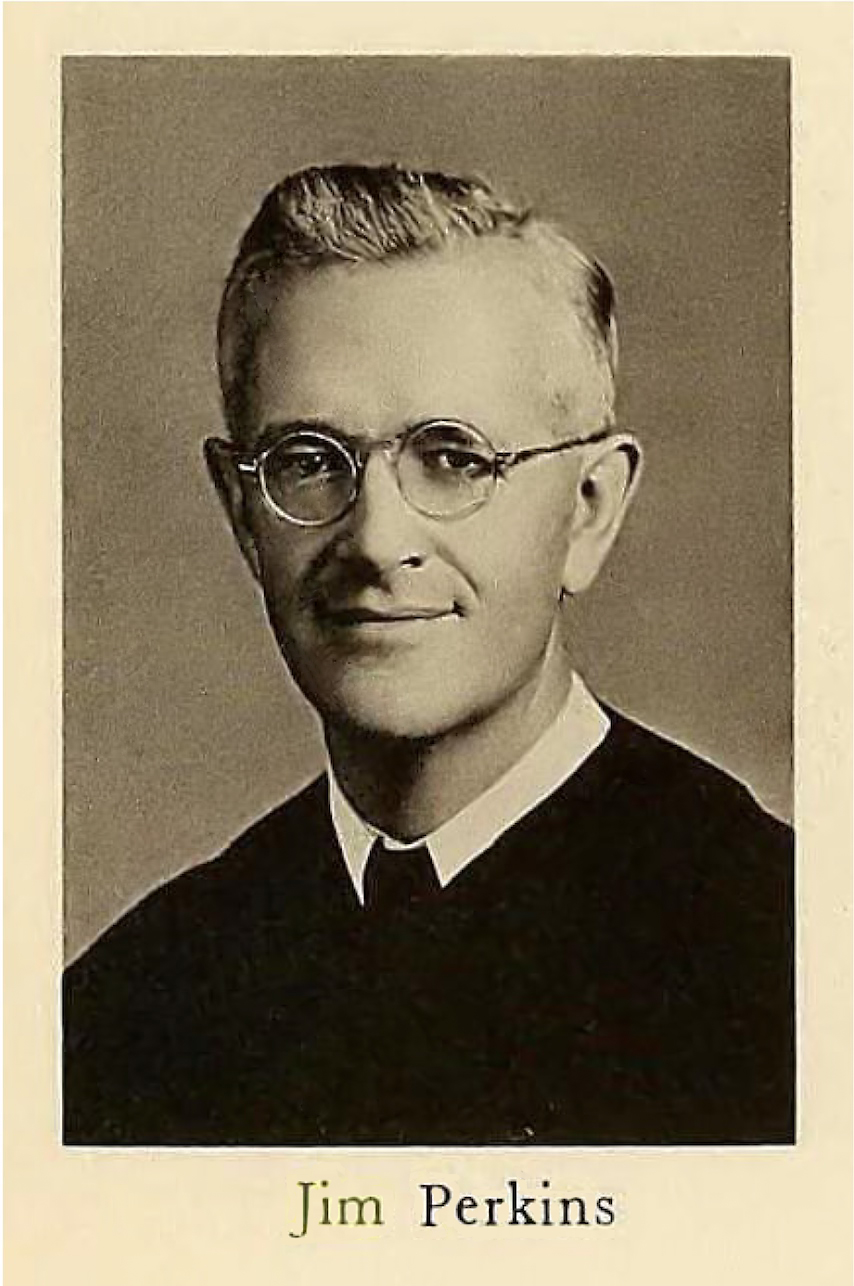
Dr. James Croswell "Jim" Perkins (June 3, 1905–July 1, 1980)
Evangeline Pearl Beougher Perkins (July 22, 1905–October 22, 1998)
Dr. James Croswell and Evangeline Pearl Beougher Perkins. James was an active members of the Congregational Church of Austin during and after his tenure as religion professor at Huston-Tillotson College.
His Parents
James Coffin Perkins,
father of James Croswell Perkings
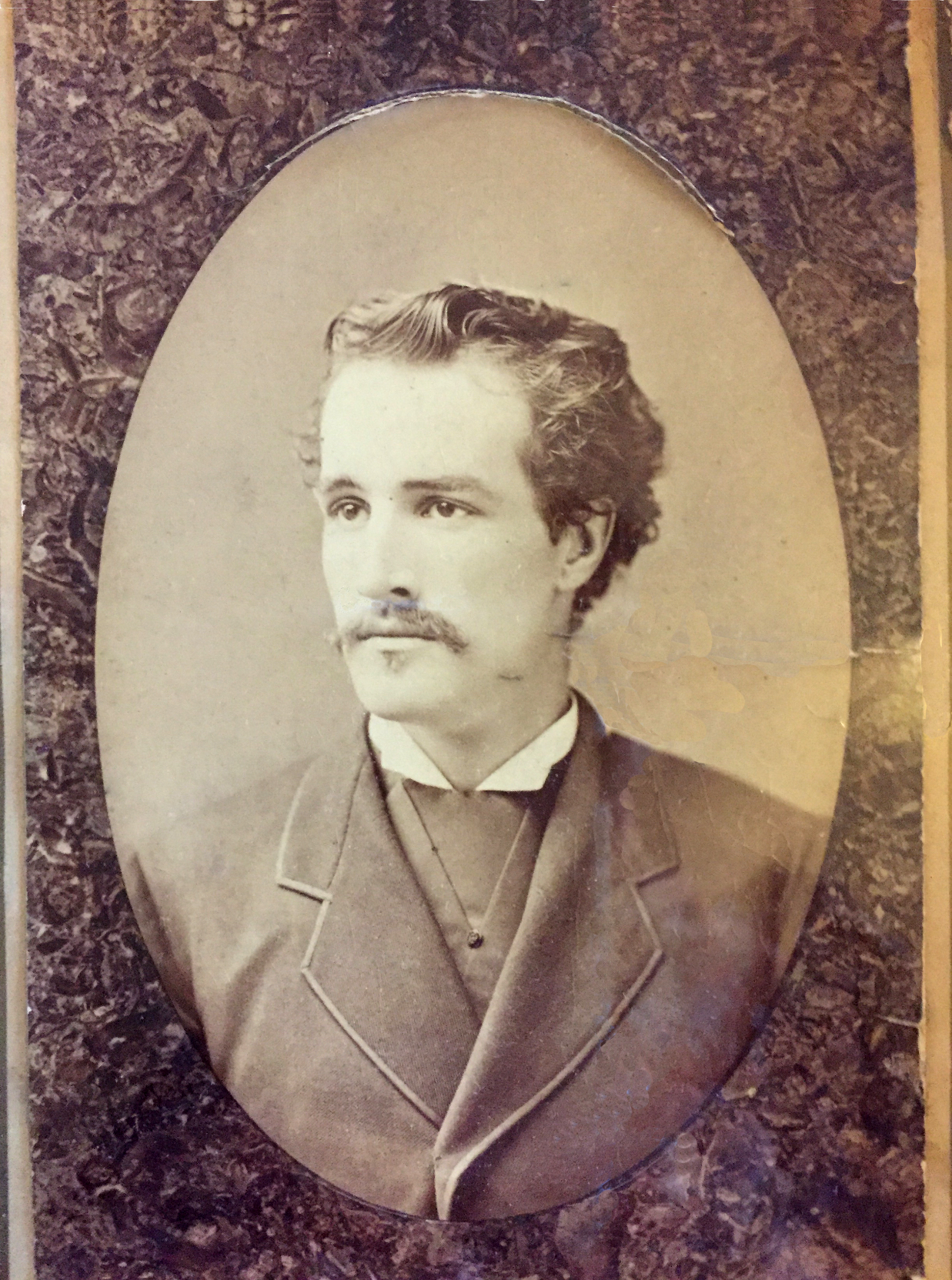
James Croswell "Jim" Perkins was born in Kodaikanal, Tamil Nadu, India on June 3, 1905 to James Coffin (1853–1939) and Lucy Elizabeth Croswell (1866–1937). Perkins. Lucy Cromwell was the daughter of Charles M. Cromwell, a governor of Michigan. Jim's older half-siblings were Donald Campbell Perkins (1888-1913) and Kenneth Taylor Perkins (1890–1951), both born in India to James and his first wife Charlotte Taylor. Another son, Malcolm, died young in India. Jim's parents were missionaries. His father, James Coffin, born in Sacramento, CA, had graduated from the U. of California at Berkeley in 1874 where he was captain and second baseman of the baseball team for two years and captain of the football team in 1874. He also sang in a number of quartets and was a member of the Drama Club. He achieved the rank of major in the University Cadets. He completed law school at Columbia University in 1876. He practiced law from 1876 to 1882 after which he enrolled in Princeton Theological Seminary becoming ordained May 29, 1885. In the same year, he married Charlotte Jean Taylor of Baltimore, and the two sailed for India. In 1899, Charlottle died.
In 1904, James Coffin Perkins married Lucy Elizabeth Croswell, a teacher in the Kodaikanal School for Missionary Children founded by her aunt, Mrs. George A. Eddy, mother of Dr. Brewer Eddy. In 1915, the two returned to this country, and Mr. Perkins served Congregational churches in Schroon Lake, New York. and Cornwall, Vermont, retiring from the active work of the ministry in 1924. Mrs. Perkins died February 2, 1937. Rev James Coffin Perkins died in February 13, 1939.
His Half-Brothers
Donald Campbell Perkins
Donald Campbell Perkins,
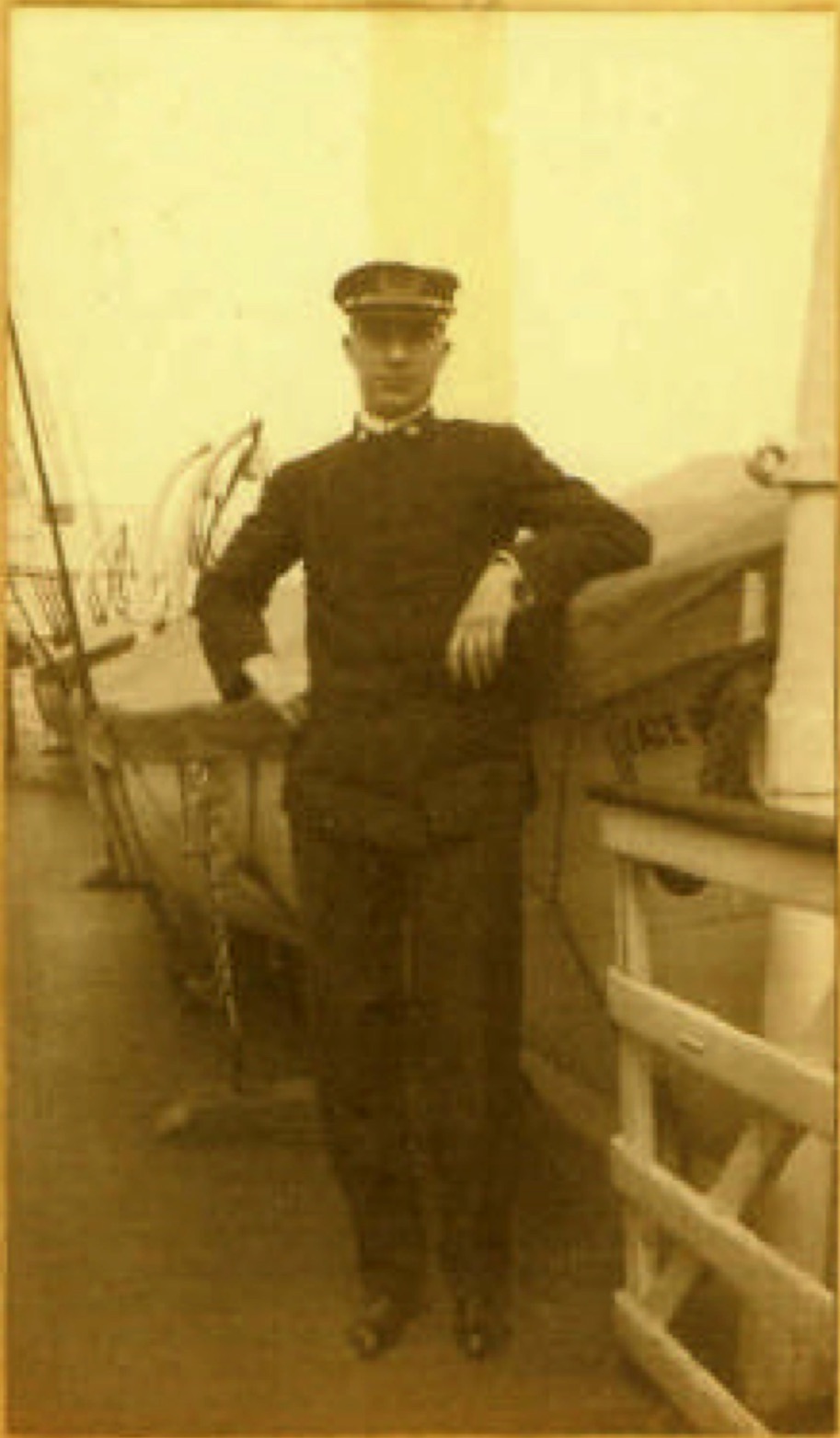
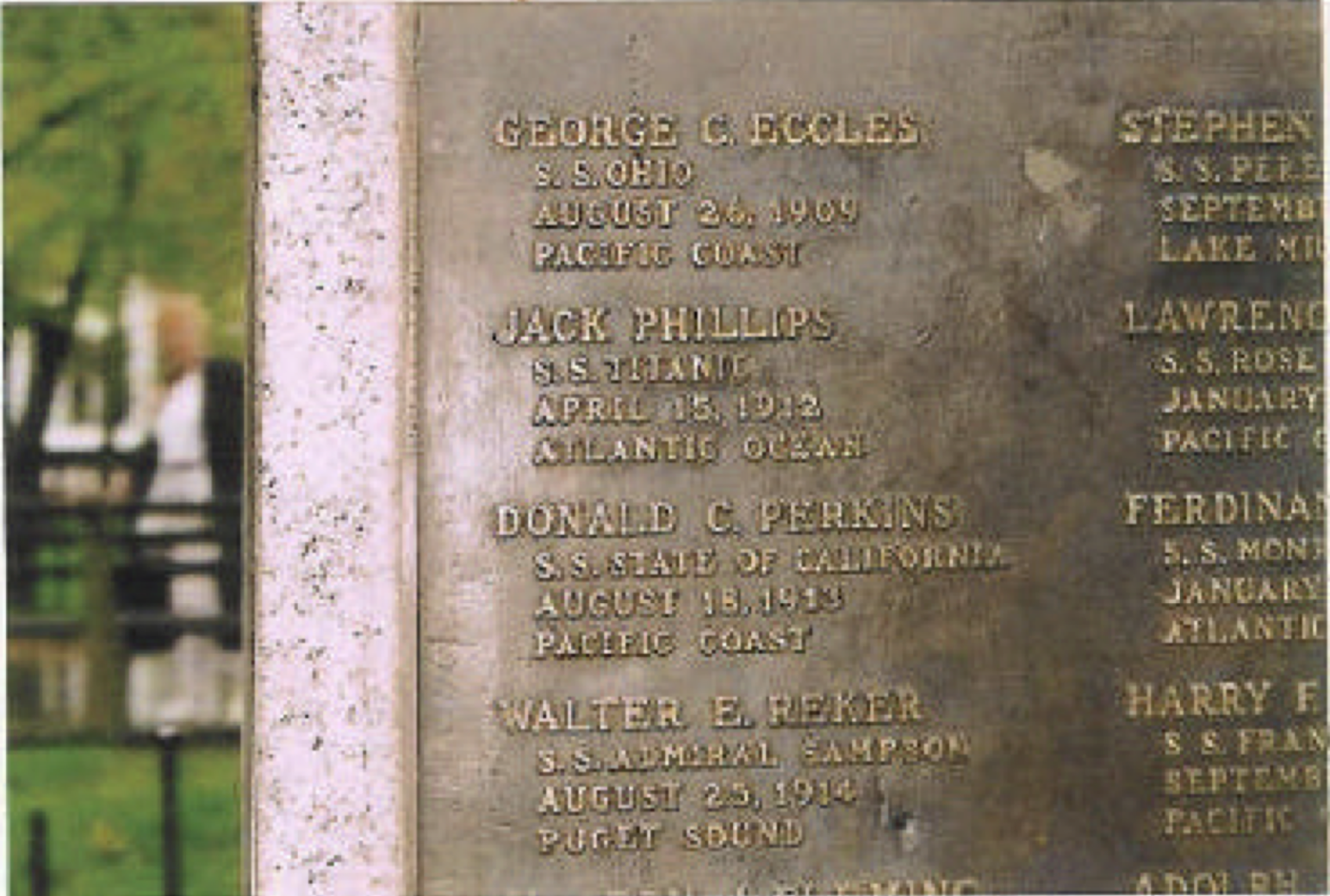
James Coffin married Lucy Elizabeth Croswell on March 24, 1904 in Kodaikanal, India. Their son, Donald Campbell Perkins, a wireless operator aboard the steamship, SS State of California, went down with the ship after it struck a reef in Gambier Bay, Alaska. Donald was asleep when the collision occured; he raced to the wireless cabin to get out an SOS. He sent his assistant to go and help launch the lifeboats and assist passengers. The water in the radio room was already at a level that made the main transmitter inoperable; however, he got the auxiliary unit going and sent the message; however, the ships motion jammed the door with a lifeboat; others reported hearing Donald continue to send the distress signal as the ship went down. It was said that the ship took only three minutes to sink. Perkins’ spark signal was received by the steamship SS Jefferson that arrived in time to save 118 people (of the 150 on board) who were found floating in lifeboats. Donald is listed on the Memorial Fountain in Battery Park in New York City. The Perkins family returned from India to the United States in March, 1915, enabling the family to attend the dedication in June of 1915. Donald had attended Oberlin College.
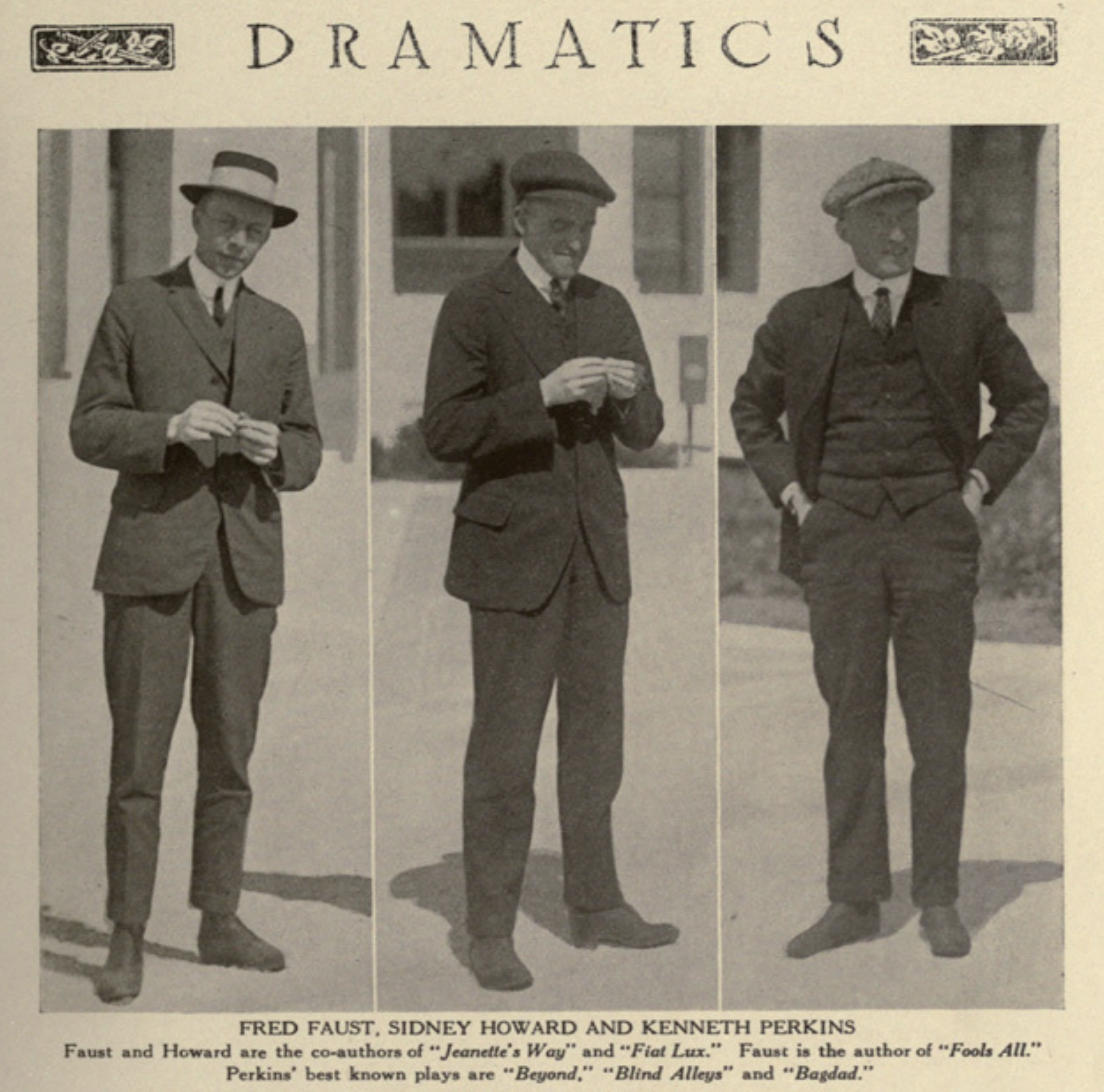
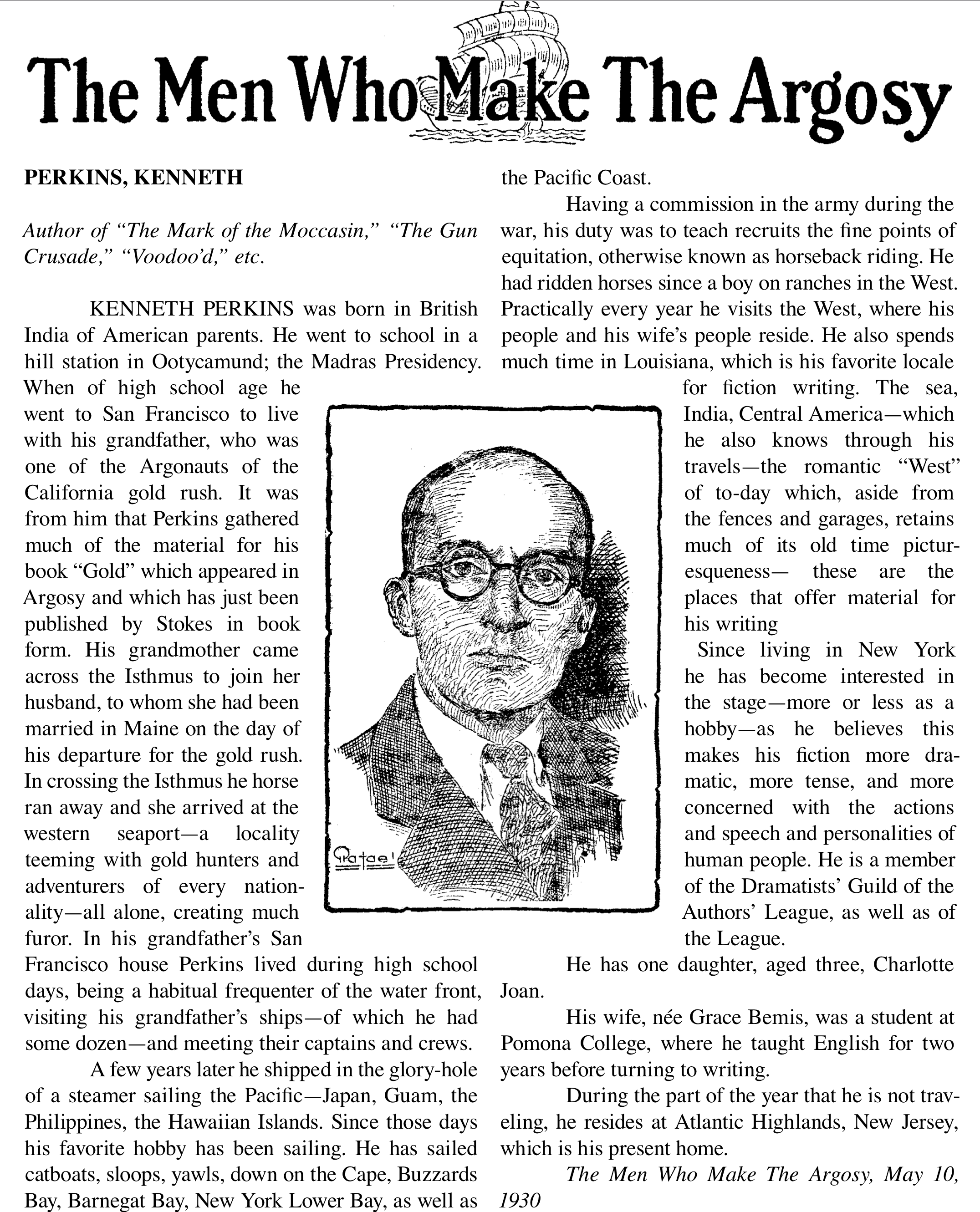
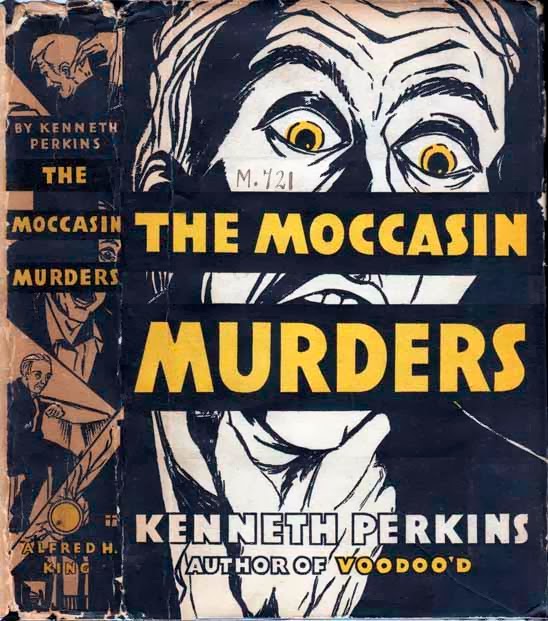
Kenneth Taylor Perkins (at left), half-brother to James Croswell Perkins was playwrite, screenwriter, educator and author. Kenneth Taylor Perkins was born on 16 May, 1890 in Kodaikanal, India. After his mother died and his father remarried, he was sent to San Francisco to live with his wealthy, shipping merchant grandfather. He attended the University of California, Berkeley, where he earned a degree in English literature. While at UC Berkeley, Perkins became acquainted with future authors Frederick Schiller (Max Brand), Sidney Howard and Aubrey Drury. After graduation, he became an English instructor at Pomona College at Claremont, California. During the First World War, Perkins served with the US Army as a second lieutenant in the field artillery. By the mid-1920s, a number of Perkins' books and short stories were appearing in magazines or being adapted for the cinema. Two of his plays, "Creoles" (1927), "Dance with the Gods" (1934 with Lena Horne) and "Desire" (1930) were produced on Broadway. His story "Ride Him Cowboy!" was adapted for the silver screen twice; the later version starred John Wayne. Over his career, Perkins submitted scores of short stories (mostly Westerns) for publication in magazines and newspapers. Kenneth Taylor Perkins died on 7 June, 1951 after a five-month stay at Veterans Administration Hospital in Los Angeles. He was survived by his wife Grace and a daughter. ( Much of this information from "The Passing Tramp" web site of author, Curtis J. Evans.
Education
In 1920, James Croswell Perkins wrote a letter to The Congregationalist and Advance, Volume 105., Here is the letter:
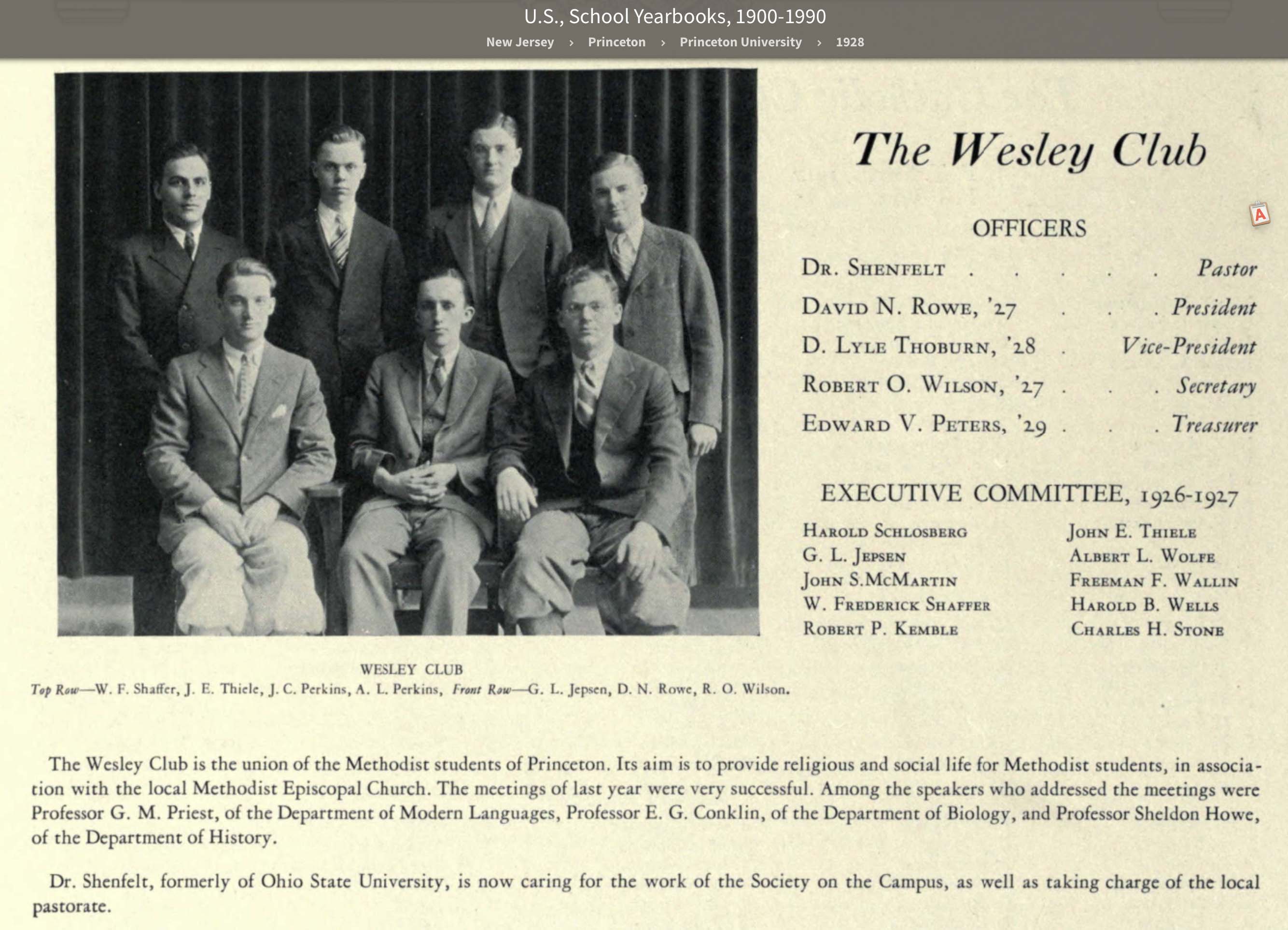
James Croswell Perkins entered Princeton University with the class of 1928,.His education at Princeton was fully paid for by his step-mother, Mrs. Merrill, who had remarried after the death of Governor Croswell. He stayed at Princeton an extra year due to a change of his major from French and Italian to philosophy. He was required to take a year of all philosophy classes in order to graduate .
James C. Perkins, third from left on back row. The Wesley Club, 1928, Princeton University yearbook, Bric-a-Brac.
In June of 1933, Jim graduated from Oberlin with a Bachelor of Divinity, 1932, and a Master of Sacred Theology, 1933, from the Oberlin Graduate School of Theology. His thesis was entitled, The Ethics of Jesus and the Plight of the Coal Miners. The abstract of the thesis states,
"The purpose of this thesis is to analyze the ethics of Jesus and to describe conditions which have resulted from a failure to apply his teachings to an important phase of economic life. No attempt will be made to offer a panacea.
"Some of the limitations of this study should be noted. Attention will be confined to the bituminous coal industry. As the main interest in this thesis is ethical, it has been necessary to neglect many economic aspects of the problem. We are fully aware of the existence and importance of such questions, but they seem beyond the scope of this paper.
"In order to gain first-hand acquaintance with the life of the coal-miners and the problems of the industry, the writer paid twenty-one visits to the Hocking Valley district in southern Ohio. These trips were begun in September, 1932, and were continued through February, 1933."
His conclusions in the thesis state, "Although in our Preface we stated that the purpose of this thesis was descriptive and that no panaceas would be offered, there are a few conclusions which our study has suggested and which will be stated briefly. If this study has proved anything, it has, at least, brought to light the chaos which has resulted in a specific industry when there has been an espousal of the ethics of laissez-faire and an implicit denial of the ethics of Jesus and his estimate of the worth of personality. Although recognizing that there are many difficulties, it would seem that the best way out of the problem is governmental control of the soft coal industry. Where individualistic competition has the effect of degrading personality, it should be checked, and production must be regulated. Provision should also be made for intelligent planning so that there should be the least possible amount of seasonal and cyclical unemployment. From what we have seen of the technique of the Quakers, it would appear that the really effective method of bringlng about cooperation and mutual understanding is not that of the prejudiced partisan nor of the philosopher who studies social problems in the large at arm's length, but rather the way of the individual who plunges into the thick of life for the sole purpose of helping his fellows in the spirit of the Good Samaritan."
In the thesis, Jim is touched deeply by the plight of the miners and their families. He researched many statistics on the poor wages and the desperate situation these workers face during downturns in the price of coal. He is not deaf to the difficulties faced by the mine owners as they are squeezed by economic factors beyond their control, but understands their families do not suffer in the extreme as the miner's families. Jim has to use all his powers of persuasion to get access to the mine owners and the miners. The miners are fearful of losing their jobs for openly criticizing their pay and working conditions. The owners feel threatened by Jim's belief in the power of the Christian ethic, a philosophy that laissez-faire capitalistic mine owners openly reject.
Marriage
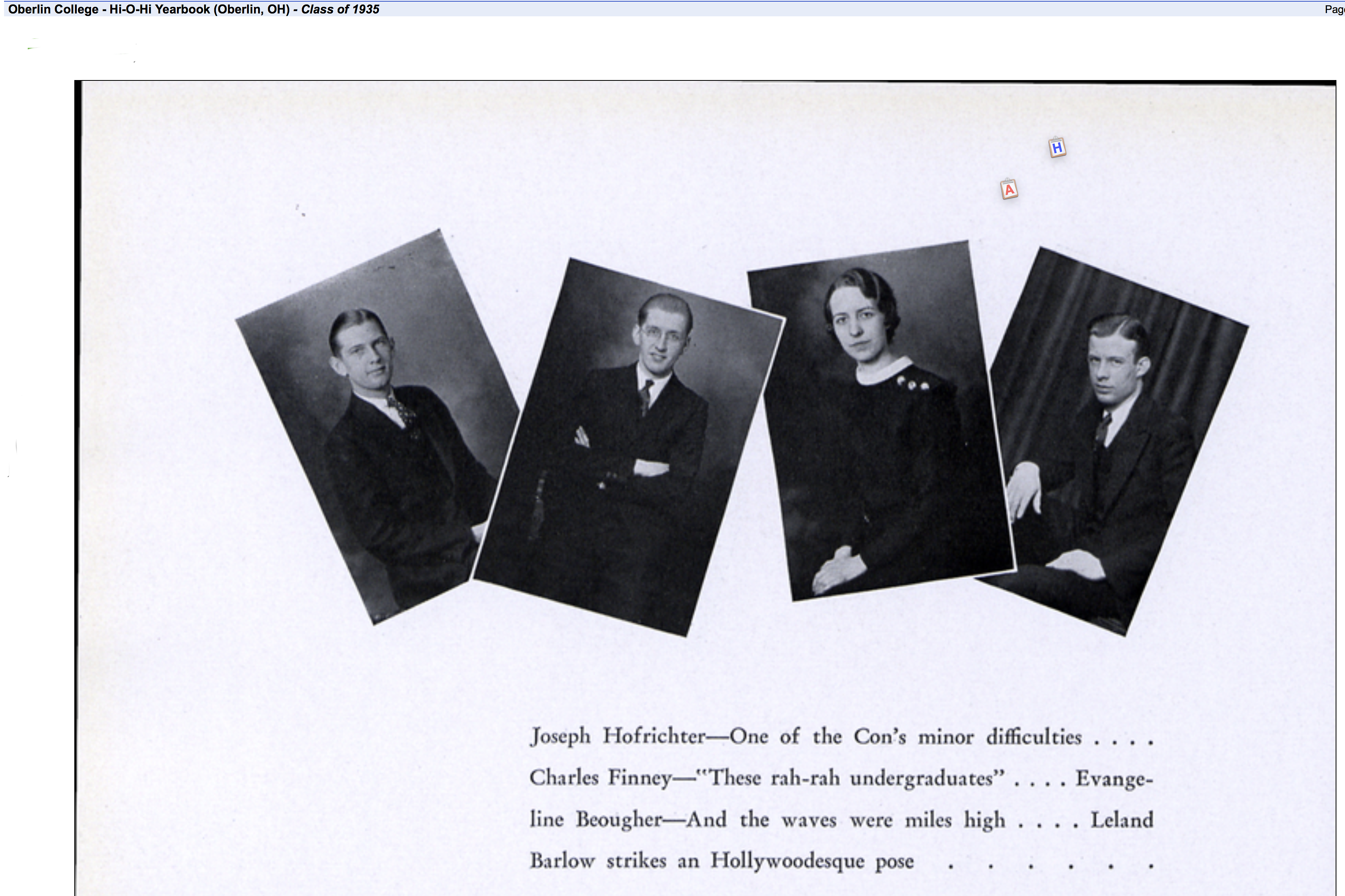
In November of 1933, he was ordained as a Congregational minister at Regent, North Dakota. He married Evangeline Pearl Beougher on September 26, 1938. Evangeline was born in Ohio on July 22, 1905. In the 1930 Census, Evangeline is working as a stenographer in an Obelin College office and living at 180 West College Drive in the home of the widow of minister, William Lawrende Tenney. She taught piano and sang in the Ohio Theatre Building in Celina, Ohio. Evangeline had graduated from Oberlin Conservatory in 1936. An announcement of their wedding appeared in the Princelon Alumni Weekly, June 20, 1939, and is shown at right.
He earned his PhD from Duke in 1956 in Christian Thought. His dissertation was entitled, Some Aspects of the Religious Thought of John Locke. He then taught philosophy at Wake Forest, the University of Oregon at Eugene, OR, and Trinity University in San Antonio before joining the faculty of Huston-Tillotson College in Austin, where he was professor and later chair of the Department of Religion and Philosophy until his retirement 1970. He was awarded a MDiv from Vanderbilt University. He was committed to the cause of civil rights and considered his teaching to be a service toward goals of social equality and justice.
James and Evangeline Pearl Beougher Perkins, Wedding Day: September 26, 1938 in Celina Ohio.
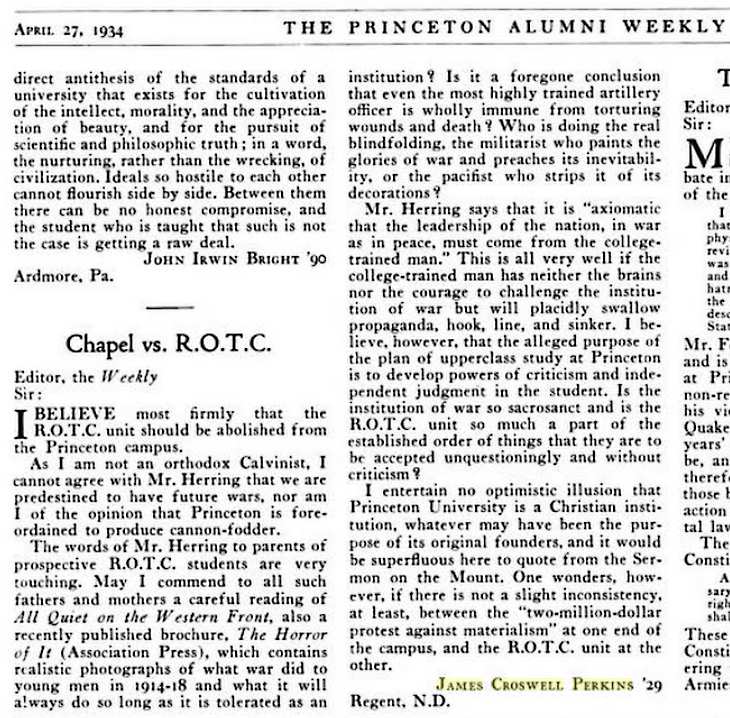
In the 1934 letter below to The Princeton Alumni Weekly below, we see further evidence of Jim's movement toward a more liberal version of Christian belief.
Ministerial Service
He served as minister in the following parishes: Regent and New England, N.D., 1933-37; Columbus Grove, Ohio, 1937-39; Federated Congregational and Methodist Churches, Schroon Lake, N.Y., 1939-42; Congregational Church, Groveland, Mass., 1942-44; First Congregational Church, Niagara Falls, N .Y., 1944-46; Union Congregational Church, Phoenix, Ariz., 1946-48. Late in 1948, he accepted a call to serve as minister of the First Congregational Church of San Antonio. He also found time to take refresher courses at Harvard Divinity School and at Princeton Theological Seminary in 1942 and 1943.
Mrs. Perkins was active in the parish in Phoenix, being organist and choir director at his church. She also gave lectures in parent education in several Phoenix schools and did personal counseling.
In 1948, Dr. Perkins published an article in The Atlantic Monthly entitled "The Quest for Basic Values." It was part of a symposium on a recent article by Professor W. T. State of Princeton.
Teaching Career
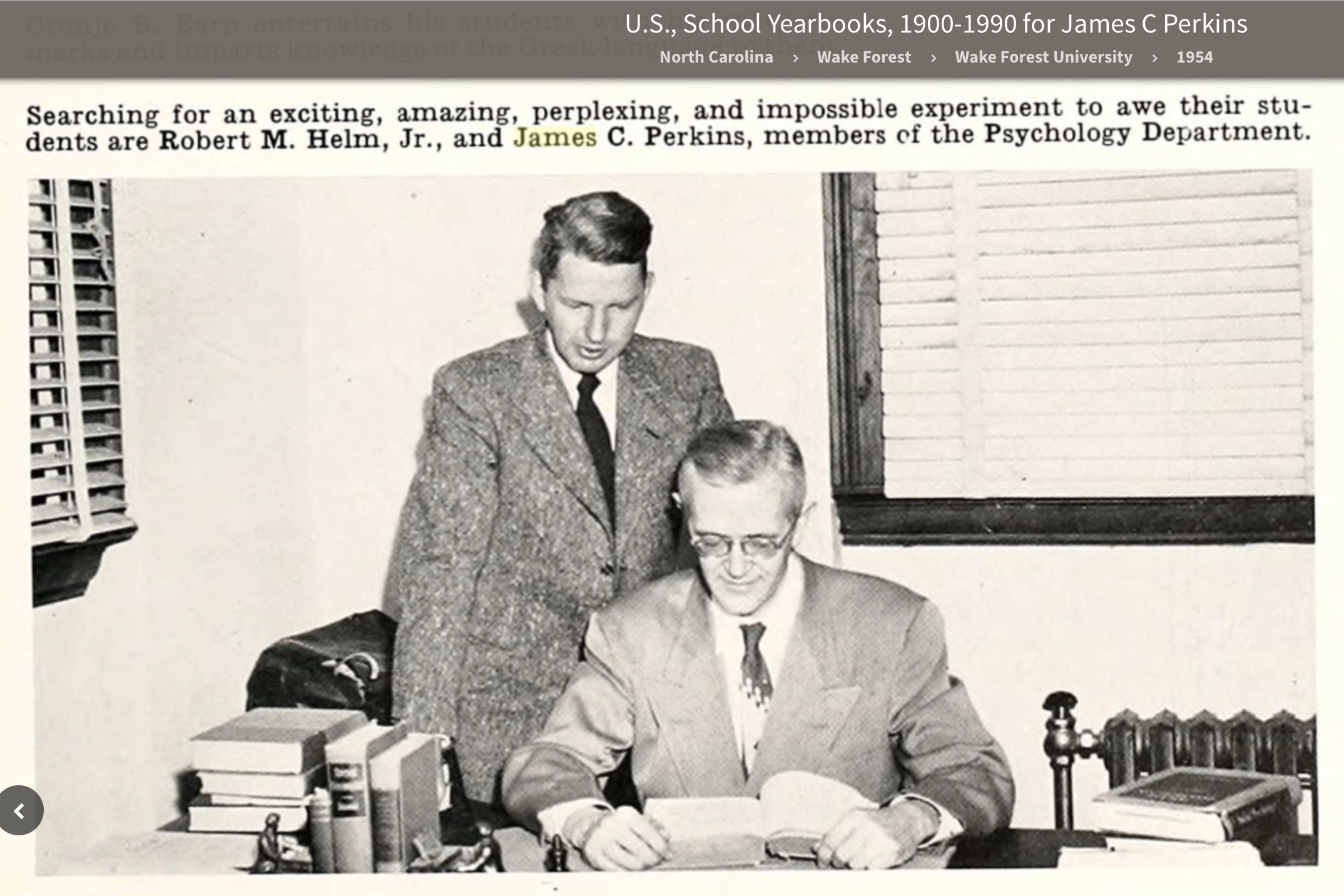
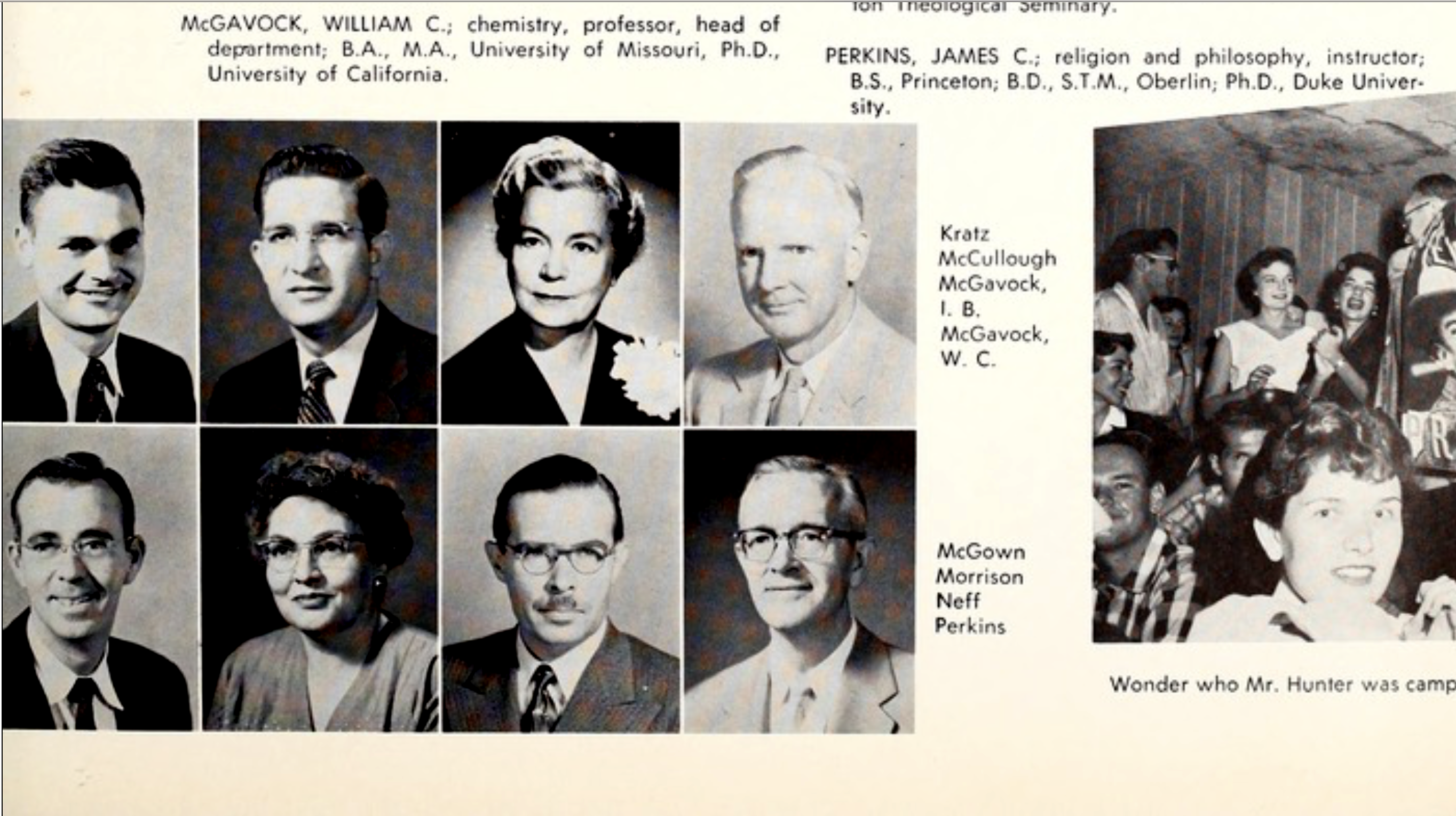
After deciding to teach, Jim was awarded a PhD by Duke University in 1956. He was an instructor in philosophy at Wake Forest College in 1953-54; assistant professor and acting chairman of the Department of Religion of the University of Oregon in 1954-56; assistant professor, Trinity University in San Antonio, Texas, 1956-57; professor and chairman of the Department of Religion and Philosophy of Huston-Tillotson College in Austin, Texas from 1957 to 1970. Jim was firmly committed to the cause of civil rights and considered his teaching at a predominantly black college to be service toward goals of social equality and justice.
Dr. Perkins, seated, at Wake Forest University. 1954.
Dr. Perkins, Trinity University yearbook, Mirage, 1957
Family
Priscilla Croswell Perkins Grew
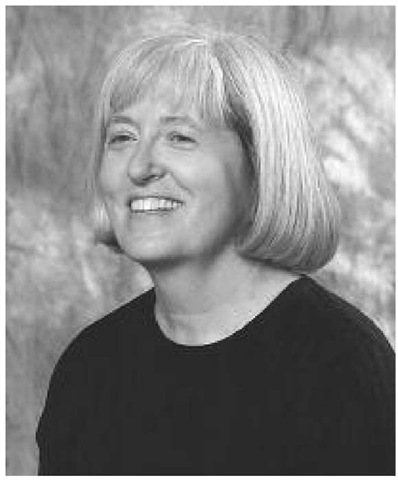
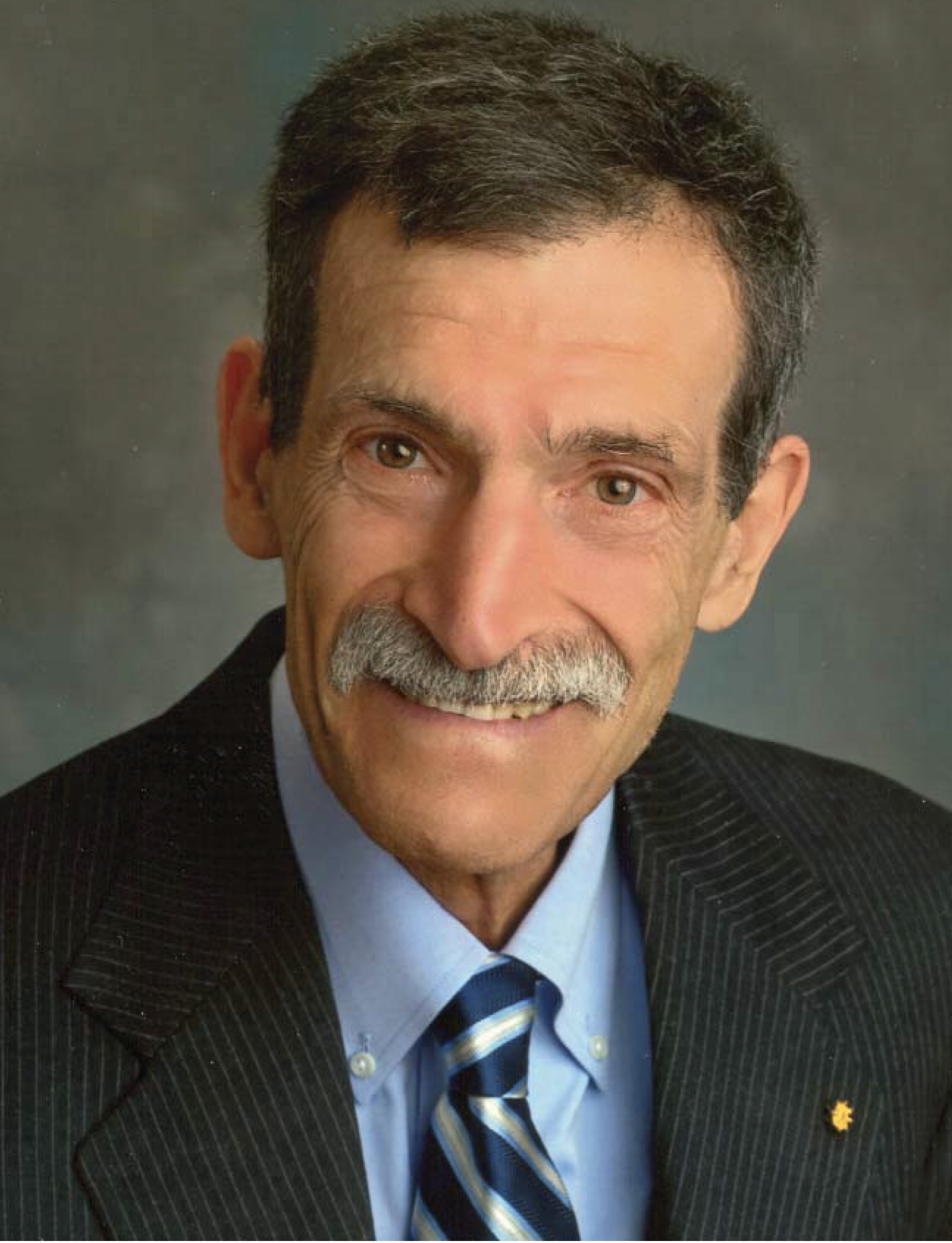
Jim and Evangeline's daughter Priscilla Croswell Perkins and son-in-law, Edward Sturgis Grew are research geologists. Priscilla, a graduate magna cum laude of Bryn Mawr College, has a doctorate in geology from the University of California at Berkeley. Priscilla has held many important positions, among these are: instructor department geology, Boston College, 1967–1968; assistant professor, 1968–1972; assistant research geologist, University of California at Los Angeles, 1972–1977; adjunct assistant professor, environmental science and engineering, 1975–1976; Director, California Department Conservation, 1977–1981; Commissioner, California Public Utilities Commission, San Francisco, 1981–1986; Director, Minnesota Geological Survey, St. Paul, 1986-1993; professor, department geology University Minnesota, Minneapolis, 1986–1993; vice chancellor for research, University Nebraska, Lincoln, 1993–1999; professor, department geoscience, since 1993; professor, conservation/survey division Institute Agriculture, since 1993, director, University Nebraska State Museum, since 2003; fellow, Center for Great Plains Studies, since 2003; Coordinator, Native American Graves Protection and Repatriation Act, since 1998; member statues and bylaws committee International Union of Geodesy and Geophysics, since 2005. Priscilla is pictured at right
.
Edward Grew
Mr. Grew, has done geological research with the Geophysical and Polar Research Center at the University of Wisconsin in Madison. He is the son of Mr. and Mrs. James H. Grew of North Andove, Mass. Mr. Grew, an alumnus of Phillips Academy in Andover. Mass., received his bachelor's degree magna cum laude from Dartmouth College and is a member of Phi Beta Kappa. He holds a doctorate from Harvard University and was the official United States exchange scientist with the Soviet expedition in Antarctica from 1972 to 1974. Mr. Grew's father retired as chairman of the modern languages division at Phillips Academy and taught French at the Belmont Hill School in Belmont, Mass. His grandfather, the late Henry S. Grew, was a Boston banker and brother of the late Joseph Clark Grew, former Ambassador to Japan. The late Alma Clayburgh, the soprano, was his grandmother. Mr. Grew's career has been one of continuous scholarly accomplishment. He has held positions and visiting appointments with the U.S. Geological Survey, Washington, D.C.; the University of Wisconsin, Madison; the University of Melbourne, Australia; the National Geophysical Research Institute, Hyderabad, India; University of California, Los Angeles; Ruhr-Universität Bochum, Germany; the National Institute of Polar Research, Tokyo, Japan; and the Institute of Geology of Ore Deposits, Petrography, Mineralogy, and Geochemistry of the Russian Academy of Sciences, Moscow, Russia. His field research has taken him to Antarctica, South India, the Aldan Shield in Siberia, and the Pamir Mountains, Tajikistan. He is currently research professor in the School of Earth and Climate Sciences at the University of Maine, Orono.Grew has served at various times as an associate editor of the American Mineralogist, the Canadian Mineralogist, Mineralogical Magazine, and the European Journal of Mineralogy. He has also chaired the International Mineralogical Association subcommittees on nomenclature of the sapphirine and garnet groups. Grew was awarded the Antarctica Service Medal in 1975. He became a Fellow of the American Association for the Advancement of Science in 2007. Edgrewite, Ca9(SiO4)4F2, is the fluorine dominant member of a series with hydroxyledgrewite, Ca9(SiO4)4(OH)2, the hydroxyl dominant member. Members of this series of humite-group calcium minerals are calcium analogues of the clinohumitehydroxylclinohumite series, Mg9(SiO4)4(F,OH)2. Edgrewite was named in honor of Edward S. Grew. In addition to edgrewite and hydroxyledgrewite, he was honored by the name of a mountain, Grew Peak (75°189S, 110°379W), part of the Mount Murphy massif in Marie Byrd Land in Antarctica in 1973. In 2015, he received the Collins Medal of the Mineralogical Society of Great Britain and Ireland for his outstanding contributions to mineral sciences. In 2017, Mr. Grew was elected to the Russian Mineralogical Society (RMS) as a Foreign Honorary Member. The society, founded in 1817, is the oldest of the national mineralogical societies in the world and is highly selective in designating the prestigious honor. Only 18, including Grew, have been elected as Honorary Members from the United States since 1817. Ed is pictured at right.
Austin Years
James and Evangeline Perkins moved to Austin, Texas in 1957 where Jim took a faculty position with Huston-Tillotson University. He taught there until his retirement in 1870. He and Evangeline were active members of the Congregational Church on Austin. Jim and church member, Patricia Winter Oakes, shared descendancy from John Alden and considered themselves "close" relatives. Jim substituted for the pastor on a number of occasion. Jim's soft voice made hearing him sometimes difficult, however, everyone knew it was worth the effort to do so. Few have ever known a kinder and gentler man.
Rev. Dr. Perkins died on July 1, 1980. Evangeline died October 22, 1998 in Austin, Texas. Both are buried in Austin Memorial Park Cemetery.
Entry in 1949 Princeton yearbook:
James Croswell Perkins
Home Address: 105 Carolina St., San Antonio 3, Texas
Married: Evangeline P. Beougher, September 26, 1938
Children: Priscilla Croswell, October 26, 1940
Clergyman
Jim was ordained to the Congregational ministry November 17, 1933, after receiving the master of theology degree from Oberlin in June of that year. He has served as minister in the following parishes: Regent and New England, N.D., 1933–37; Columbus Grove, Ohio, 1937–39; Federated Congregational and Methodist Churches, Schroon Lake, N.Y., 1939–42; Congregational Church, Groveland, Mass., 1942–44; First Congregational Church, Niagara Falls, N .Y., 1944–46; Union Congregational Church, Phoenix, Ariz., 1946–48. Late in 1948, he accepted a call to serve as minister of the First Congregational Church of San Antonio. He also found time to take refresher courses at Harvard Divinity School and at Princeton Theological Seminary in 1942 and 1943.
In keeping with his calling, Jim has been active in civic and regional affairs. He also contributes regularly to various clerical publications, among them Church Management, The Pulpit, Pulpit Preaching, Today, Advance, and the Atlantic Monthly.
Mrs. Perkins was active in the parish in Phoenix, being organist and choir director at his church. She also gave lectures in parent education in several Phoenix schools and did personal counseling.
Jim is a Republican and finds himself gravitating to a rniddle-of-the- road position on a good many issues—religious, economic and social. Unlike some liberal ministers he is not a pacifist, but he feels that thinking and talking as if war were inevitable helps to make it inevitable. He hopes for world peace through some kind of federation of
nations.
Austin Home
In 1962, the Perkins purchase the Harrell House at 113 W. 33rd Street, Austin, Texas. The house later became known as the Harrell-Perkins house and was designated Historic Landmark Zoning in 2015. Here is some history of the house.
Edwin Harrell (1890–1932) and his wife, Jessie Alma Tabb Harrell (–1968) hired prominent Austin architect Edwin Kreisle to design this house for them in Aldridge Place, one of the best suburban residential areas of the city in the 1920s. Edwin Harrell had been in the family produce business until he went into the printing business, where he and Alma made their mark. The Harrells purchased a printing company in 1929, and renamed it Capital Printing Company, which is still in business today. Printing was a very important business in the 20th Century —not only was it a way to disseminate reports, news, and other items of general interest, printers also provided the forms that most businesses in town relied on for their transactions. There were a number of major printing firms in Austin during the early 20th century, each seemingly specializing in a different aspect of the business, from textbook publishing, business forms, books, brochures, leaflets, and to any number of other printed materials that were necessary for the conduct of daily life and daily business. Capital Printing offered both offset and letterpress printing, and was known as one of the largest printing businesses in the Southwest in the middle part of the century. Capital Printing was a 100% union shop.
What made Capital Printing Company unique is that after Edwin Harrell died unexpectedly in 1932, just 3 years after starting the business, his widow, Alma, took over and ran the business herself for another 30 years. It was highly unusual for women to be the presidents of businesses or industries, especially in the South, which made Alma Harrell's position as the leader of the business all that more noteworthy. She and Edwin had only one child, Caldwell, who went by Tabb, and eventually Tabb Harrell took over the business from his mother before her death in 1968.
Alma Harrell sold this house in 1952 to James G. Hamer, a physician, who had his offices at 4015 Guadalupe Street. His wife, Ann Hamer, was a supervisor at St. David's Community Hospital. The Hamers lived here until 1960, when they sold the house to Physics Professor Eldon Ferguson, who lived here until 1962. Eldon Ferguson was an Oklahoma track star who later got his Ph.D. and specialized in seismology and weather research. He taught at the University of Texas for a short period of time, before he was snatched up for further research in Boulder by the National Bureau of Standards (later NOAA). Upon his move to Boulder in 1962, Ferguson sold the house to James C. Perkins. His widow sold the house in 1999.
James Croswell and Evangeline Pearl Beougher Perkins Photo Album
James Coffin Perkins passport photon, 1915. (Father of James Croswell Perkins)
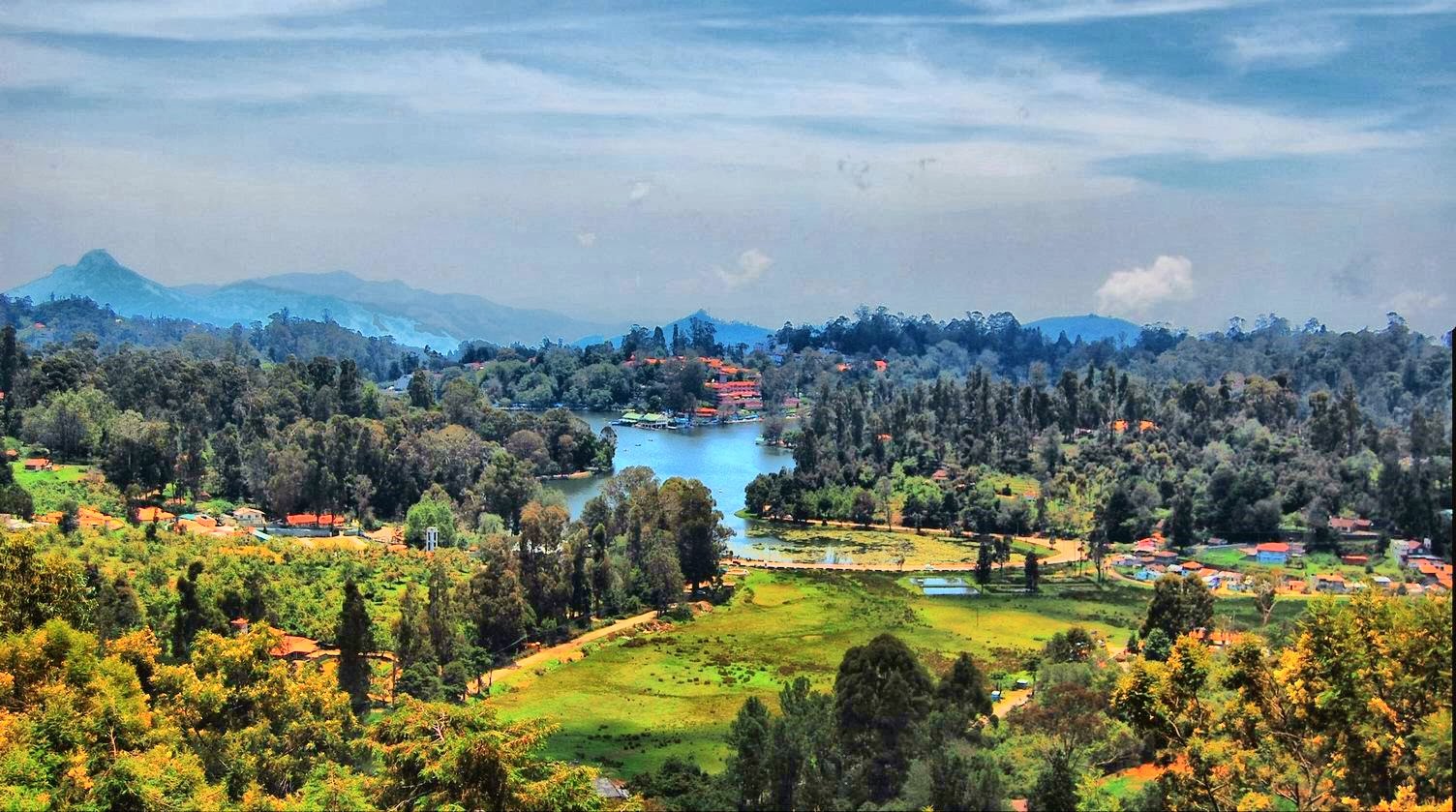
Kodaikanal, India, where the Perkins conducted their missionary work.
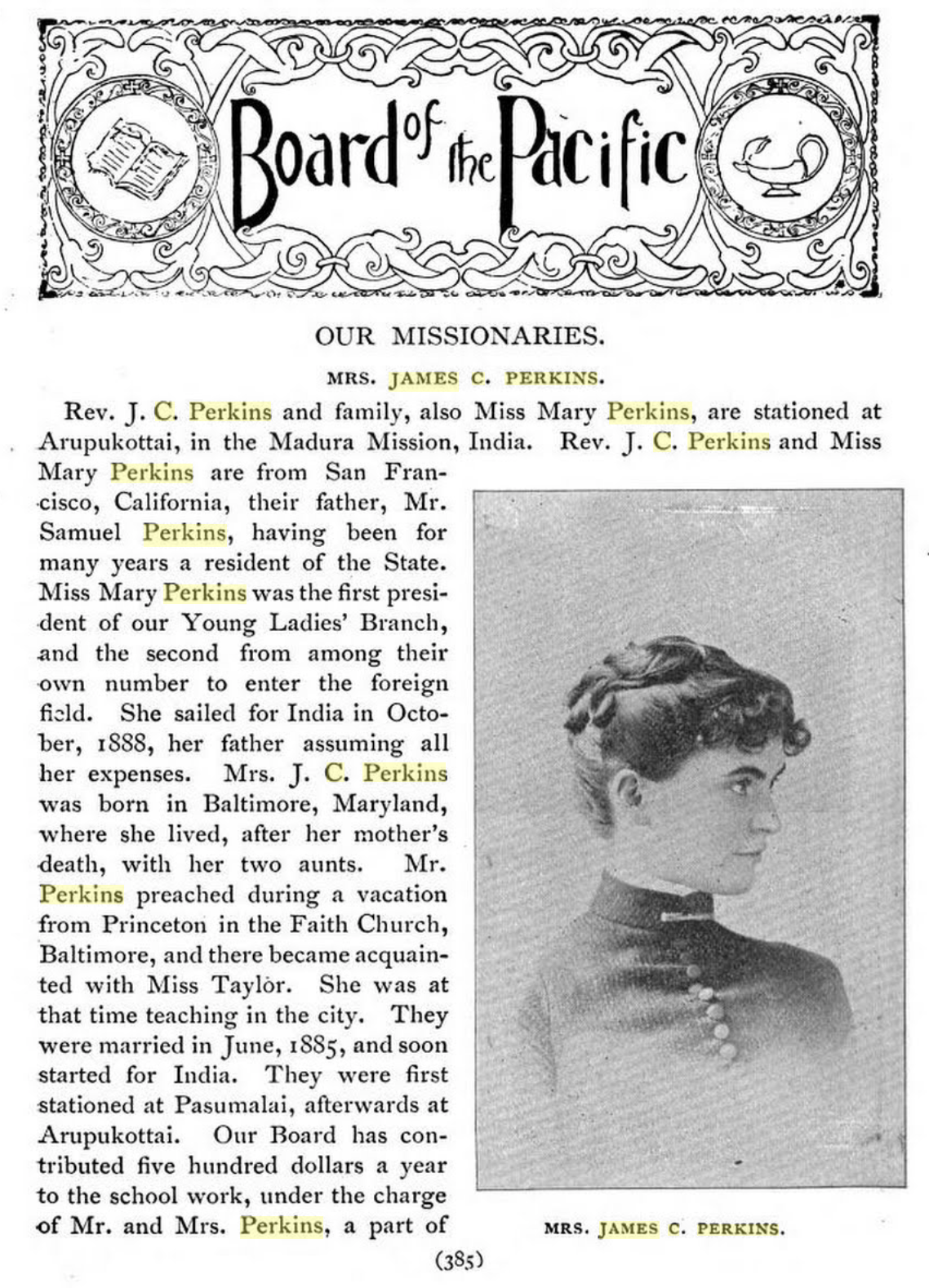
Mrs. James Coffin Perkins (Charlotte Taylor), first wife of James Coffin Perkins from Life and Light of Woman, 1894. Charlotte died in 1897. James married Lucy Croswell in 1904. Miss Marry Perkins was sister of James Coffin Perkins.
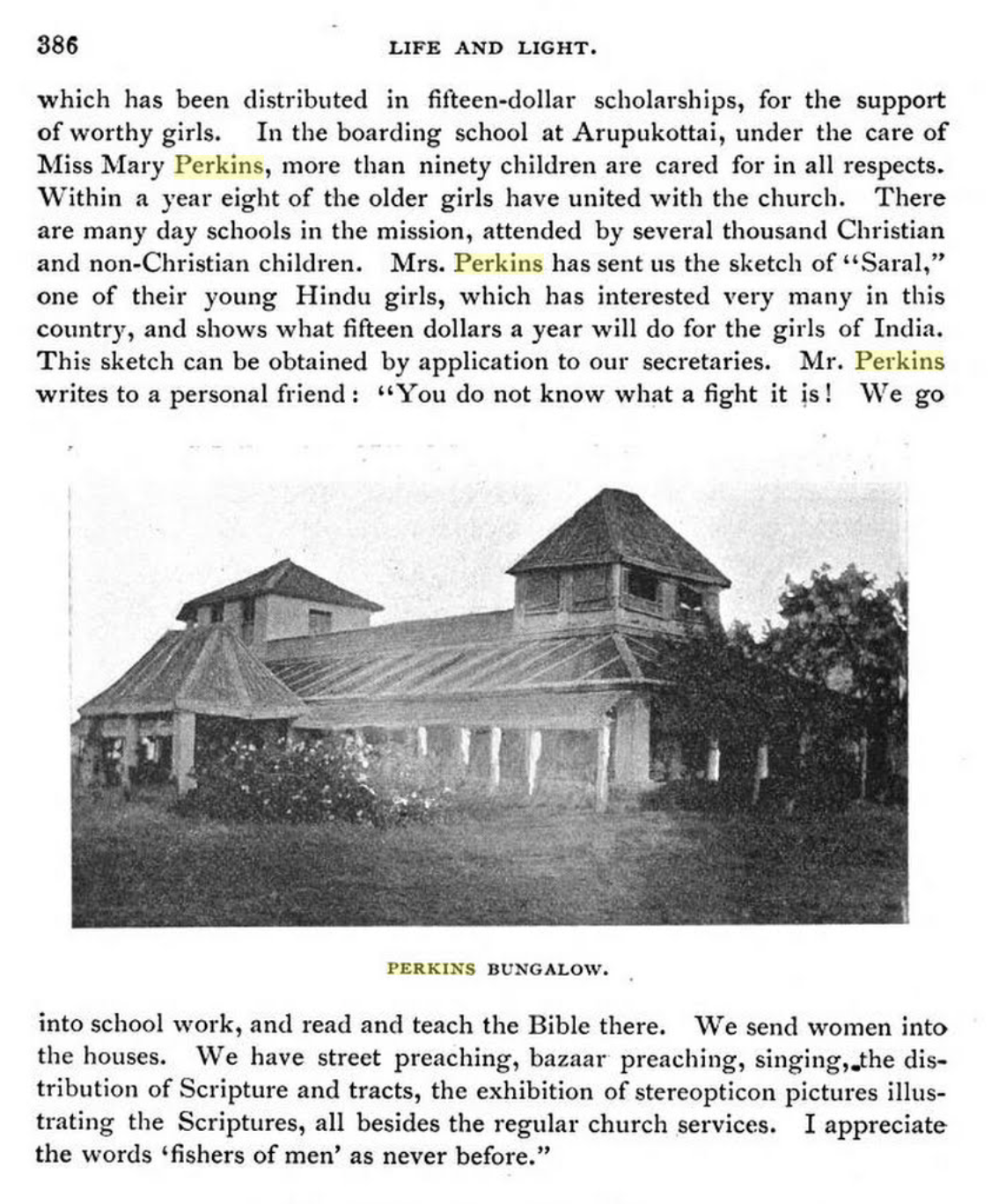
Perkins home in India.
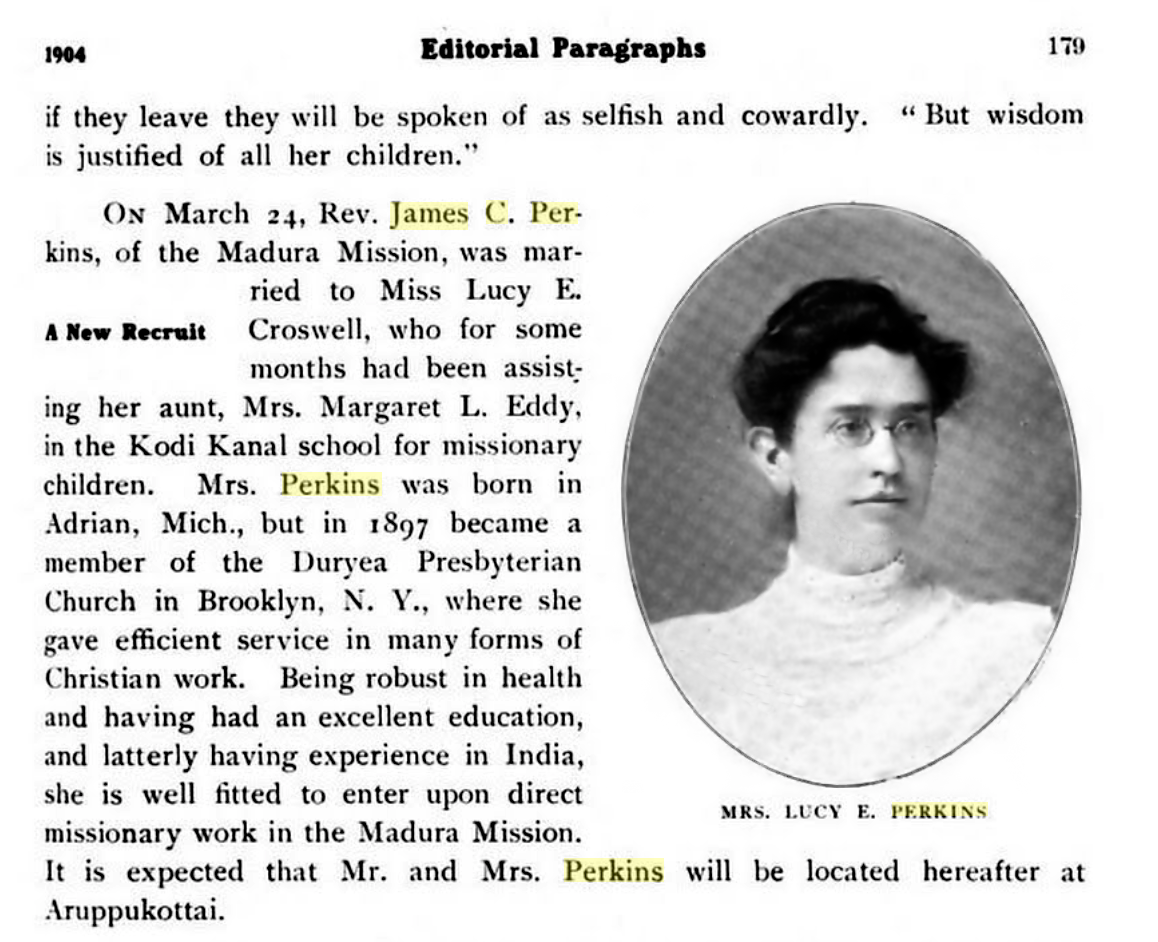
Mrs. Lucy E. Croswell Perkins, mother of Rev. James Croswell Perkings. From Misionary Herald, Vol. 100, 1904
Donald Campbell Perkins Photos
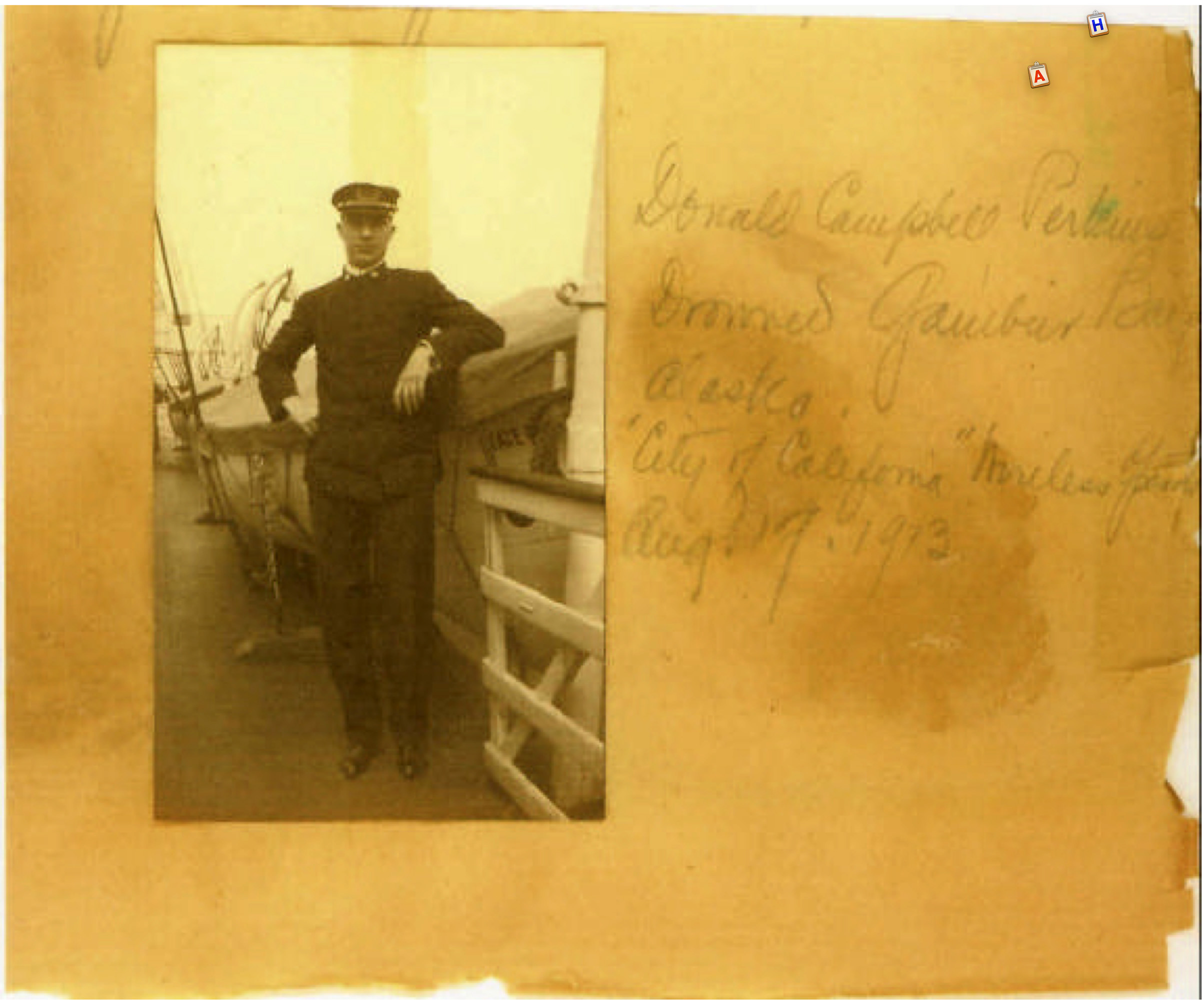
Donald Campbell Perkins, wireless operator aboard SS State of California
Inscription by his aunt says, “Donald Campbell Perkins, Drowned Gambier Bay, Alaska. “City of California, Wireless Operator, August 17, 1913”
(Photos from John Thornton, WM6R, Amateur Gazette, The Newsletter of The Paso Robles Amateur Radio Club)
Photos belonged to Thornton' great-grandmother, Marie Giffin Perkins.
Marie was married to Daniel Tucker Perkins, brother of Rev. James Coffin Perkins.
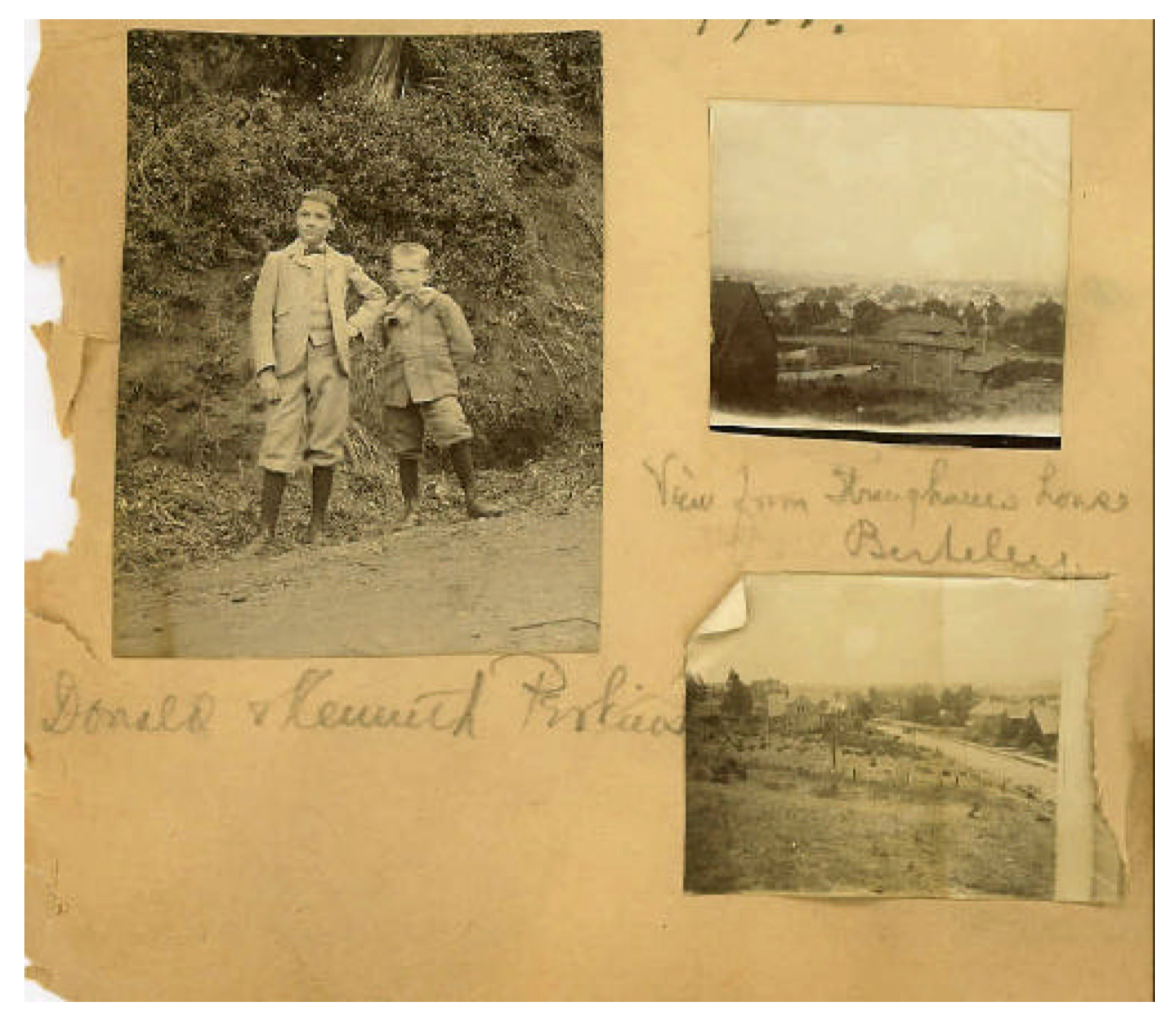
Brothers Donald Campbell and Kenneth Taylor Perkins, half-brothers to James Croswell Perkins. Also "Views from the Humphries house Berkeley." ca 1900
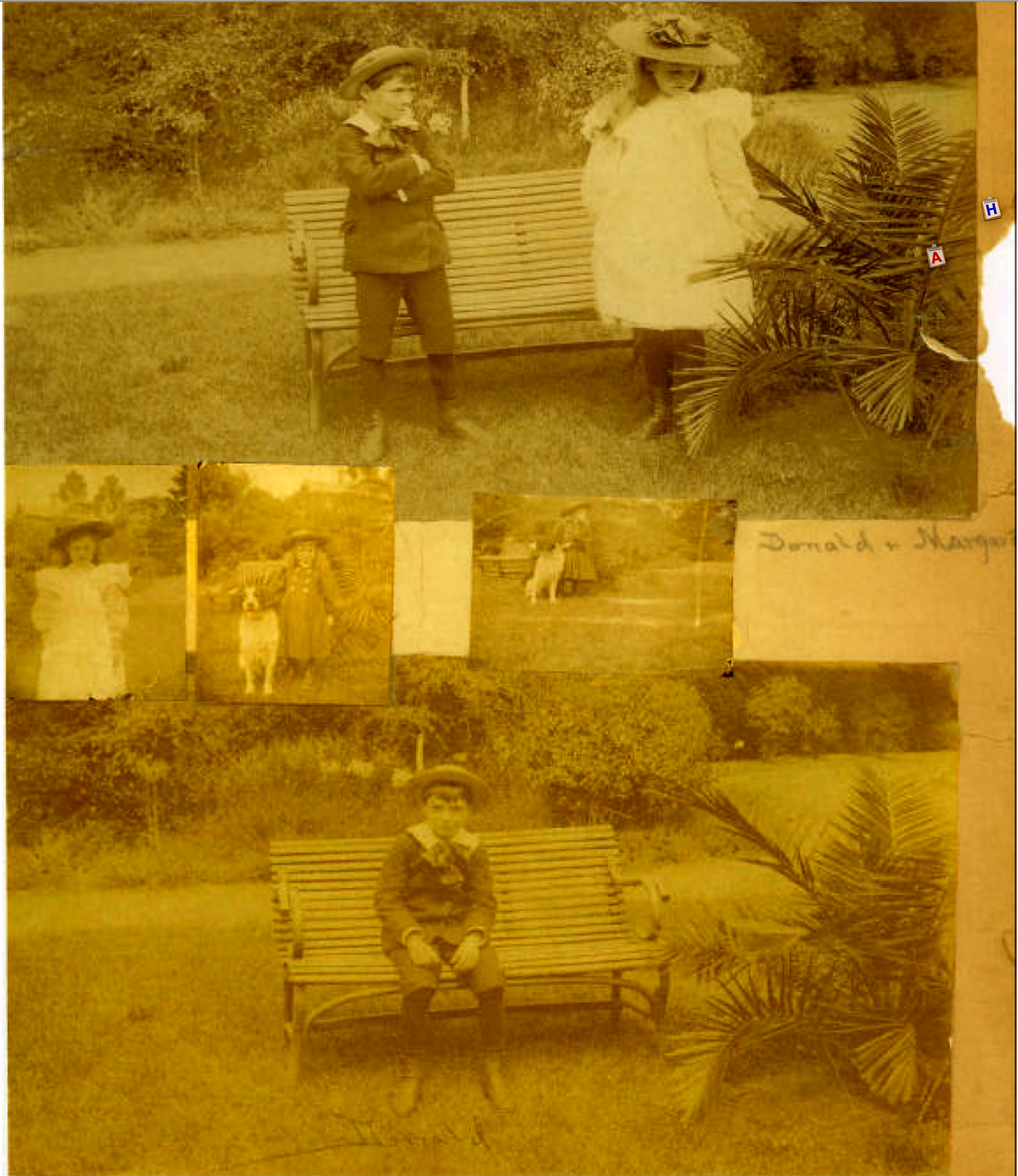
Donald Campbell Perkins with Margaret Hayne (Harrison) who was his cousin, and daughter of Brewton Alston Hayne, City Attorney of Berkeley. Margaret received a PhD from UC Berkeley. ca. 1896
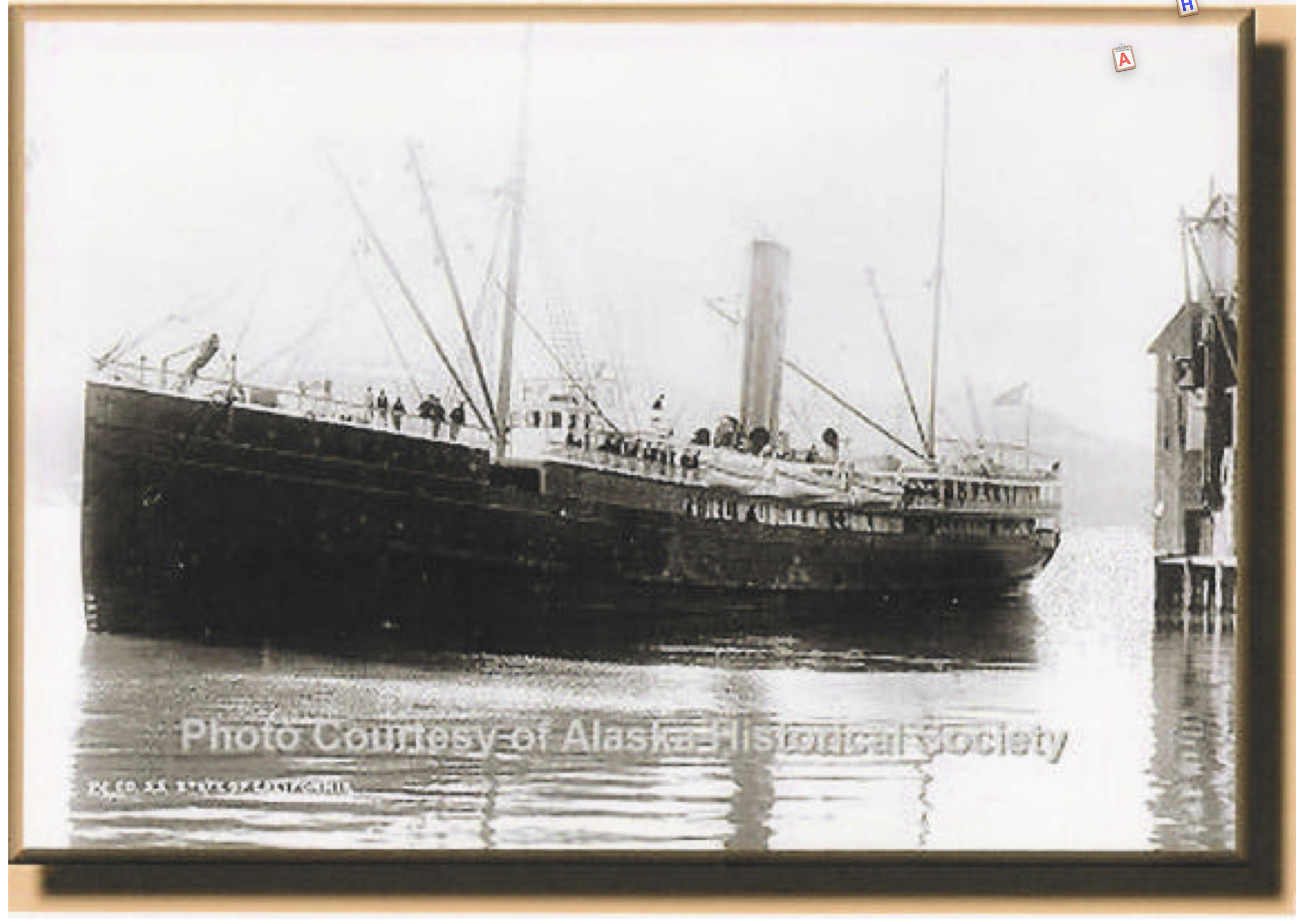
Here is a turn-of-the-century photo of the Steamship State of California. The ship was 300 feet long, weighed 2,266 tons, with a beam of 38 feet. It was built in 1879. Perkins’ spark signal was received by the Steamship Jefferson that arrived in time to save 118 people (of the 150 on board) who were found floating in lifeboats.—John Thornton
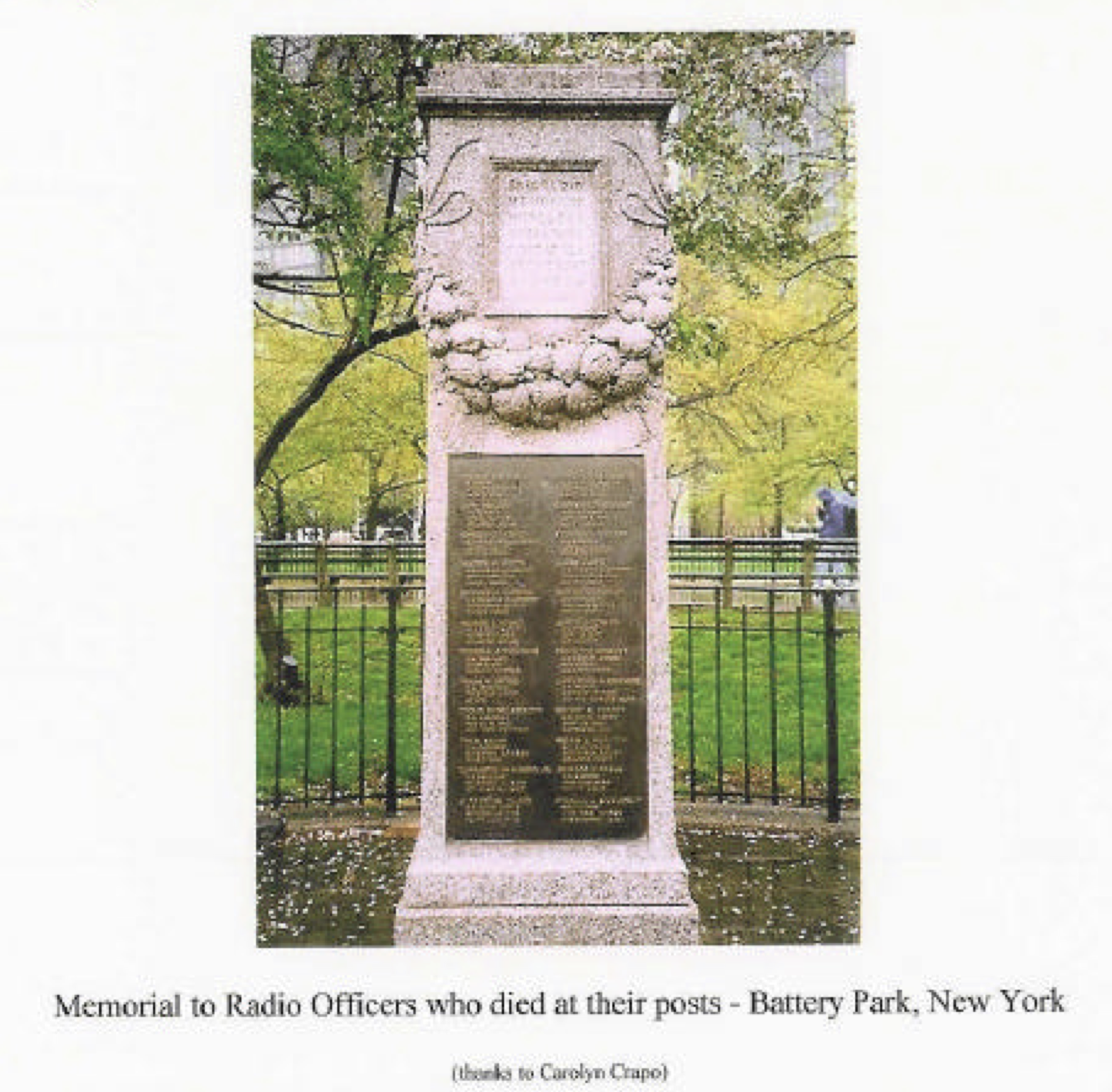
Monument dedicated in 1915 at the base of Tower of the Barge Office, Battery Park, New York.
Donald Campbell Perkins on monument nameplate.
Kenneth Taylor Perkins Photos
Brothers Donald Campbell and Kenneth Taylor Perkins, half-brother to James Croswell Perkins. Also "Views from the Humphries house Berkeley." ca 1900
On right is Kenneth Taylor Perkins, half-brother to James Croswell Perkins. U. of California, The Blue and Gold yearbook, 1916.
The above article appeared first in The Argosy magazine in 1930. The Argosy was a very successful pulp fiction magazine. Perkins was a regular contributor. This copy of the article was published in the January 2005 issue of Back Numbers Can Be Easily Procured which is written and published by Warren Harris for the Pulp Era Amateur Press Society.
 Kenneth Taylor Perkins (at left), half-brother to James Croswell Perkins was playwrite, screenwriter, educator and author. Kenneth Taylor Perkins was born on 16 May, 1890 in Kodaikanal, India. After his mother died and his father remarried, he was sent to San Francisco to live with his wealthy, shipping merchant grandfather. He attended the University of California, Berkeley, where he earned a degree in English literature. While at UC Berkeley, Perkins became acquainted with future authors Frederick Schiller (Max Brand), Sidney Howard and Aubrey Drury. After graduation, he became an English instructor at Pomona College at Claremont, California. During the First World War, Perkins served with the US Army as a second lieutenant in the field artillery. By the mid-1920s, a number of Perkins' books and short stories were appearing in magazines or being adapted for the cinema. Two of his plays, "Creoles" (1927), "Dance with the Gods" (1934 with Lena Horne) and "Desire" (1930) were produced on Broadway. His story "Ride Him Cowboy!" was adapted for the silver screen twice; the later version starred John Wayne. Over his career, Perkins submitted scores of short stories (mostly Westerns) for publication in magazines and newspapers. Kenneth Taylor Perkins died on 7 June, 1951 after a five-month stay at Veterans Administration Hospital in Los Angeles. He was survived by his wife Grace and a daughter. ( Much of this information from "The Passing Tramp" web site of author,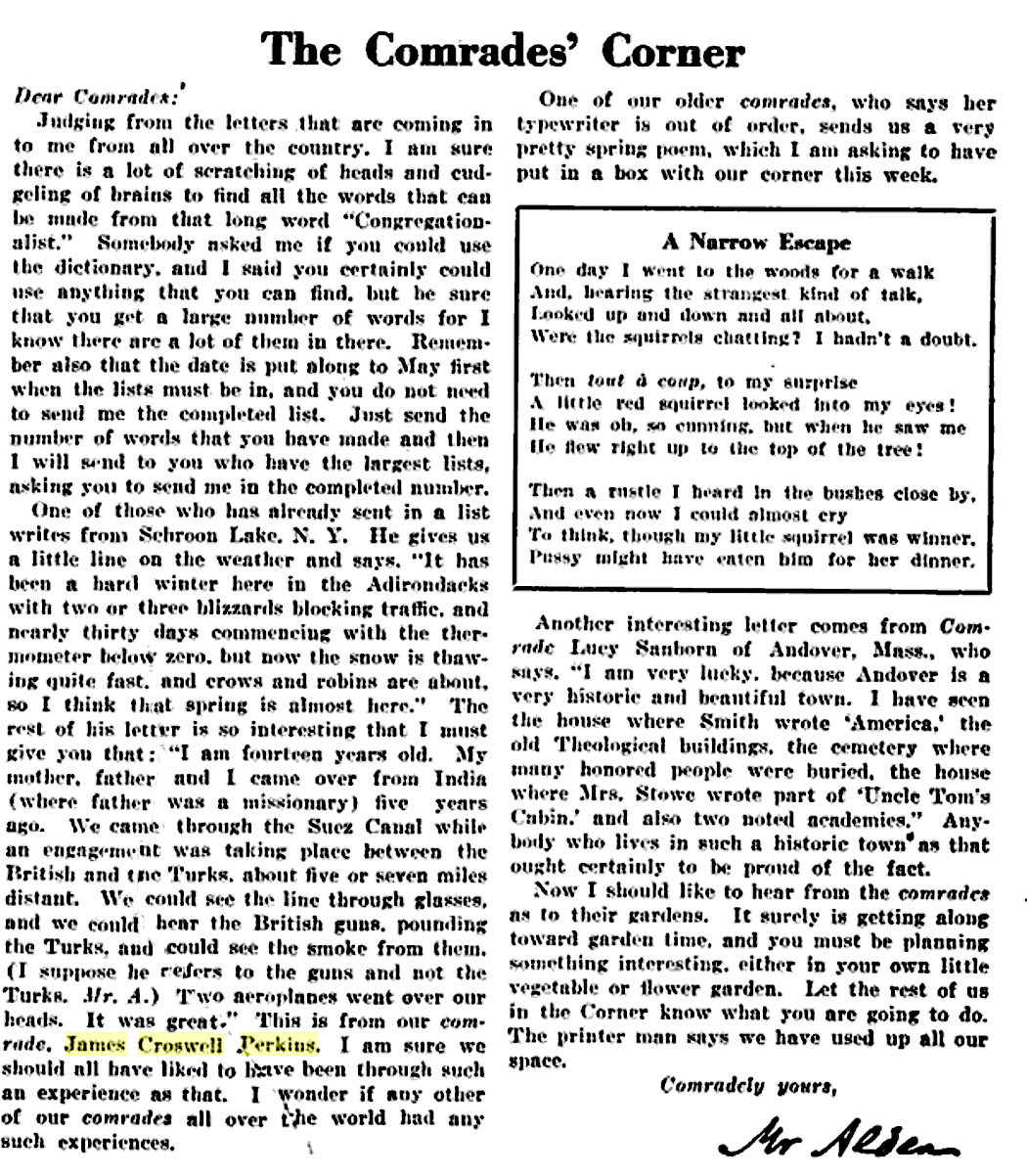
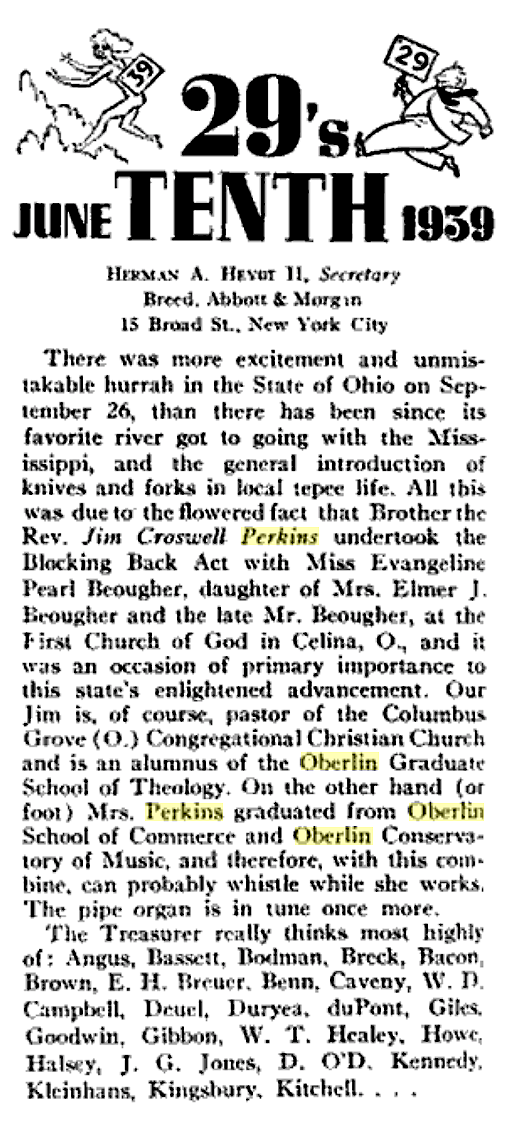 In November of 1933, he was ordained as a Congregational minister at Regent, North Dakota. He married Evangeline Pearl Beougher on September 26, 1938. Evangeline was born in Ohio on July 22, 1905. In the 1930 Census, Evangeline is working as a stenographer in an Obelin College office and living at 180 West College Drive in the home of the widow of minister, William Lawrende Tenney. She taught piano and sang in the Ohio Theatre Building in Celina, Ohio. Evangeline had graduated from Oberlin Conservatory in 1936. An announcement of their wedding appeared in the Princelon Alumni Weekly, June 20, 1939, and is shown at right.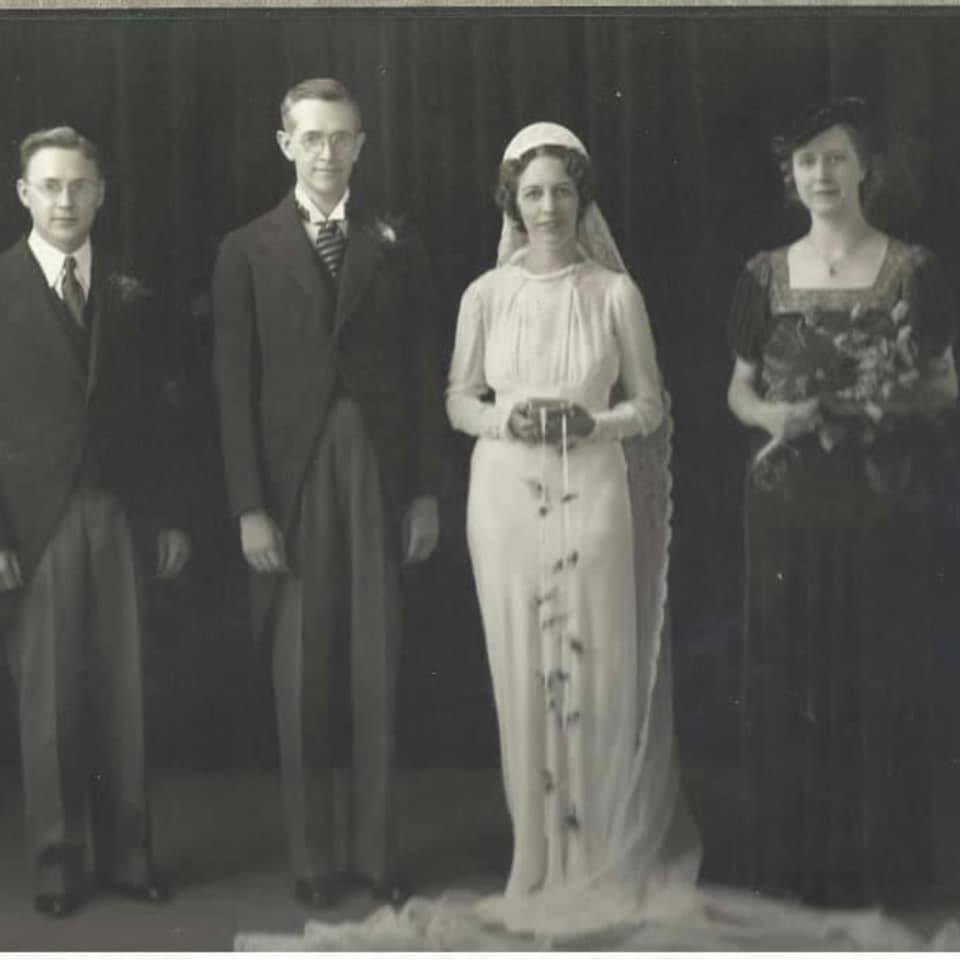
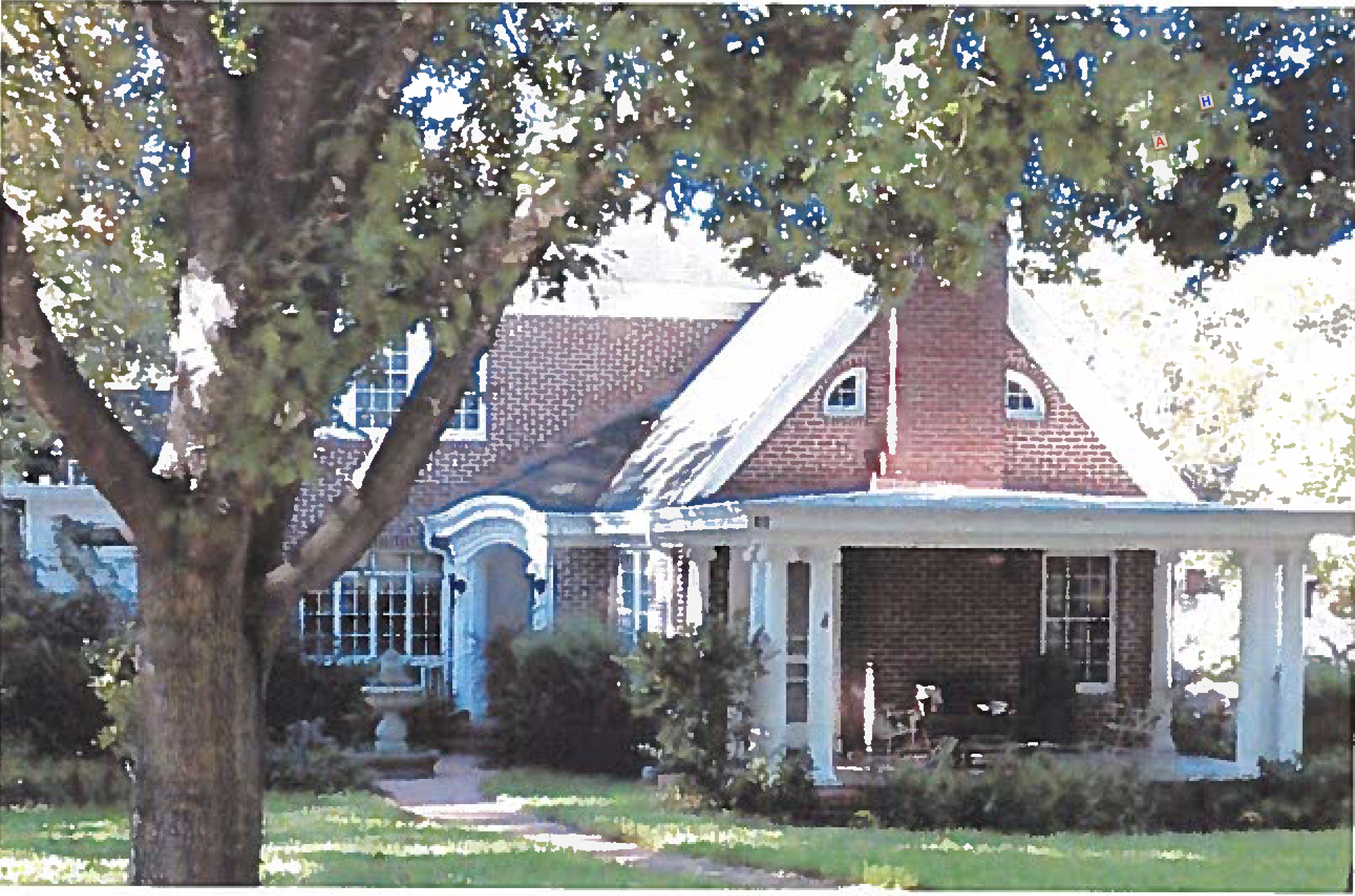 Edwin Harrell (1890–1932) and his wife, Jessie Alma Tabb Harrell (–1968) hired prominent Austin architect Edwin Kreisle to design this house for them in Aldridge Place, one of the best suburban residential areas of the city in the 1920s. Edwin Harrell had been in the family produce business until he went into the printing business, where he and Alma made their mark. The Harrells purchased a printing company in 1929, and renamed it Capital Printing Company, which is still in business today. Printing was a very important business in the 20th Century —not only was it a way to disseminate reports, news, and other items of general interest, printers also provided the forms that most businesses in town relied on for their transactions. There were a number of major printing firms in Austin during the early 20th century, each seemingly specializing in a different aspect of the business, from textbook publishing, business forms, books, brochures, leaflets, and to any number of other printed materials that were necessary for the conduct of daily life and daily business. Capital Printing offered both offset and letterpress printing, and was known as one of the largest printing businesses in the Southwest in the middle part of the century. Capital Printing was a 100% union shop.
What made Capital Printing Company unique is that after Edwin Harrell died unexpectedly in 1932, just 3 years after starting the business, his widow, Alma, took over and ran the business herself for another 30 years. It was highly unusual for women to be the presidents of businesses or industries, especially in the South, which made Alma Harrell's position as the leader of the business all that more noteworthy. She and Edwin had only one child, Caldwell, who went by Tabb, and eventually Tabb Harrell took over the business from his mother before her death in 1968.
Alma Harrell sold this house in 1952 to James G. Hamer, a physician, who had his offices at 4015 Guadalupe Street. His wife, Ann Hamer, was a supervisor at St. David's Community Hospital. The Hamers lived here until 1960, when they sold the house to Physics Professor Eldon Ferguson, who lived here until 1962. Eldon Ferguson was an Oklahoma track star who later got his Ph.D. and specialized in seismology and weather research. He taught at the University of Texas for a short period of time, before he was snatched up for further research in Boulder by the National Bureau of Standards (later NOAA). Upon his move to Boulder in 1962, Ferguson sold the house to James C. Perkins. His widow sold the house in 1999.
Edwin Harrell (1890–1932) and his wife, Jessie Alma Tabb Harrell (–1968) hired prominent Austin architect Edwin Kreisle to design this house for them in Aldridge Place, one of the best suburban residential areas of the city in the 1920s. Edwin Harrell had been in the family produce business until he went into the printing business, where he and Alma made their mark. The Harrells purchased a printing company in 1929, and renamed it Capital Printing Company, which is still in business today. Printing was a very important business in the 20th Century —not only was it a way to disseminate reports, news, and other items of general interest, printers also provided the forms that most businesses in town relied on for their transactions. There were a number of major printing firms in Austin during the early 20th century, each seemingly specializing in a different aspect of the business, from textbook publishing, business forms, books, brochures, leaflets, and to any number of other printed materials that were necessary for the conduct of daily life and daily business. Capital Printing offered both offset and letterpress printing, and was known as one of the largest printing businesses in the Southwest in the middle part of the century. Capital Printing was a 100% union shop.
What made Capital Printing Company unique is that after Edwin Harrell died unexpectedly in 1932, just 3 years after starting the business, his widow, Alma, took over and ran the business herself for another 30 years. It was highly unusual for women to be the presidents of businesses or industries, especially in the South, which made Alma Harrell's position as the leader of the business all that more noteworthy. She and Edwin had only one child, Caldwell, who went by Tabb, and eventually Tabb Harrell took over the business from his mother before her death in 1968.
Alma Harrell sold this house in 1952 to James G. Hamer, a physician, who had his offices at 4015 Guadalupe Street. His wife, Ann Hamer, was a supervisor at St. David's Community Hospital. The Hamers lived here until 1960, when they sold the house to Physics Professor Eldon Ferguson, who lived here until 1962. Eldon Ferguson was an Oklahoma track star who later got his Ph.D. and specialized in seismology and weather research. He taught at the University of Texas for a short period of time, before he was snatched up for further research in Boulder by the National Bureau of Standards (later NOAA). Upon his move to Boulder in 1962, Ferguson sold the house to James C. Perkins. His widow sold the house in 1999. 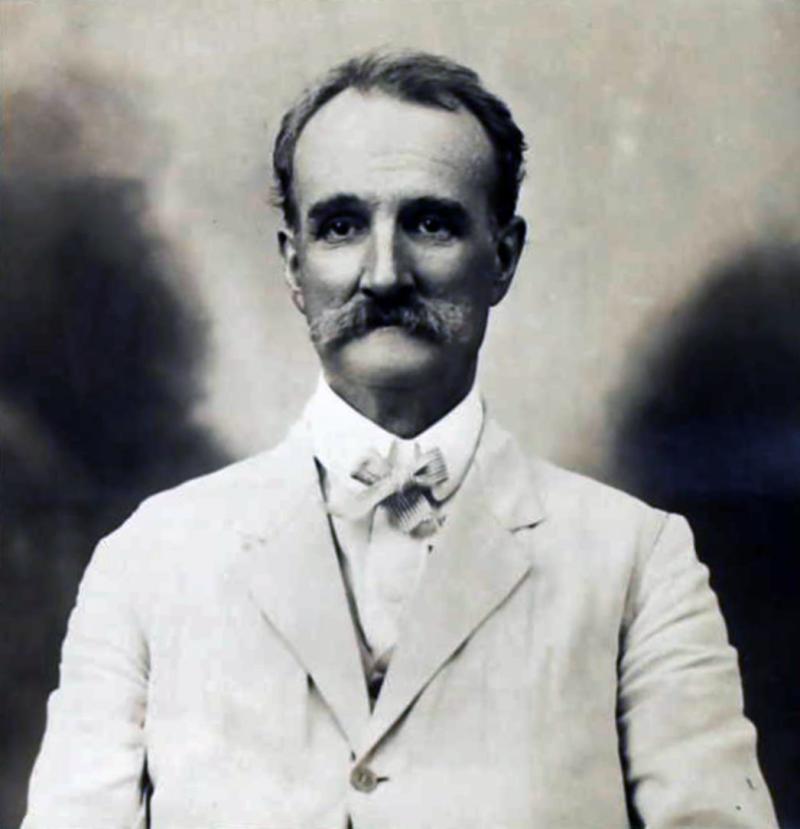
.jpg)
 and James C. Perkins (1905-1980).jpg)