Index of Names and Bios
Here we have collected some names and short bios, if available, of people who have been long-term members of the church. Many are now deceased. We include them here to honor their dedication and provide a source of information for future generations of these families. As time permits, more people will be included.
1. Briggs, Rev. and Mrs. Richard J. , First Minister
2. Brown, Rev. James Wiley, James Wiley Brown was born May 72, 1909, in Laurel, Mississippi, to the late James Wiley and Emma White Brown, both of whom were college graduates and teachers in the public schools of Mississippi for more than half a century. He was the only son in a family of four children. He had three sisters, two of whom preceded him in death. He received his early education in the public schools of Jackson, Mississippi and in the high school of the then Jackson College. He continued his academic training in higher education at Clark College, Atlanta, Georgia, where he received his AB degree; hie BD degrees from Gammon Theological Seminary and Chicago Theological Seminary; and his MA degree from the University of Chicago in the field of ethics and society. He did further study in experimental psychology, sociology, social sciences, and religious education at Fisk University, Union College Laboratory in Schenectady, New York and Oxford in England, respectively.
4. Doom, Judge David Williams, Church Founder (June 15, 1848–May 24, 1909). Son of Randolph C. Doom and Altazera Williams, husband of Esther Prisey Houston, he was born in Jasper County, Texas. He served in the Confederate Army. David was an attorney and judge. He acted as special district judge and special judge of the appellate courts on several occasions. He handled a large amount of land litigation. From afuneral announcement in Dallas Morning News, May 28, 1909: “The body of the late Judge David W. Doom was laid in its final resting place in Oakwood Cemetery last evening under the auspices of the Knights Templar. Dr. R. J. Briggs, pastor of the First Congregational Church, and also a prominent Templar, conducted the services, speaking in highest terms of the goodness, charitableness and benevolence of the late Judge Doom. The choir of the First Congregational Church rendered the only two hymns, singing at the home "Go Bury Thy Sorrow," and at the grave, "We'll Meet Each Other There." The funeral was one of the largest that has been held in Austin in many years. Out of respect to the memory of Judge Doom, the Twenty-Sixth and the Fifty-Third District Courts adjourned this evening. The Austin Bar Association met today, adopted resolutions and attended the funeral in a body. They appointed as honorary pallbearers Judge F. A. Williams of the Supreme Court, Judge W. F. Ramsey of the Court of Criminal Appeals, Judge W. E. Key of the Court of Civil Appeals, Judge T. S. Maxey of the United States District Court, Judge C. A. Wilcox of the Twenty-Sixth District Court, Judge George Calhoun of the Fifty-Third District Court, William M. Walton, S. R. Fisher, R. L. Penn and A. W. Terrell. The active pallbearers were from among the Templars. All of those chosen were past commanders. They were Tom Murrah, C. J. Johnson, John K. Donnan, S. S. Shackelford, E. C. Bartholomew and E. T. Moore.”
5. Doom, Esther Pusey Houston. Birth: March 12, 1845, Hardin County, Texas, USA–Death: Jan. 28, 1940, Austin, Travis County, Texas. Daughter of John Houston. Wife of Judge David Williams Doom. They were married in 1871.
6. Doom, David Houston. Birth–September 12, 1875. Death September 2, 1954 in Houston, TX. Son of David William and Esther Pusey Houston Doom. He was born in Austin and was an attorney there, starting in 1896. He was married to Nellie Gertrude Home (1876–1948). He was Clerk of the church in 1904–08, and he served as President of Austin Bar Association in 1932.
7. Doom, Nellie Gertrude Horne. (1876–1948), wife of David Houston Doom. Her father was Dr. William T. Horne (b. 1817) who was the son of A. Ogden Horne, Sr (d. 1876) and his wife Elizabeth. His siblings included A. Odgen, Jr., and Mary. Dr. Horne practiced medicine in Columbus, Lone Jack, and Rock Springs, Missouri, before moving to Texas in 1848. During the Civil War, he served with the 19th Texas Regiment in the Confederate Army. After living in various towns throughout Travis and Williamson counties, he finally settled in Austin in 1864. Here, Dr. Horne and his wife, daughter of E. S. Vinson, lived with his father for a few years. The Hornes had two daughters Mattie and Nellie G. Nellie married Austin judge David Houston Doom. She actively supported women’s rights and was a member of the United Daughters of the Confederacy, Albert Sidney Johnston Chapter in Austin.
8. Pickrell, Annie Doom, daughter of Judge David H. & Esther Prisey Houston Doom and wife of John H. Pickrell. She was born October 17, 1871, Jasper County, Texas. She died December 14, 1950, Austin, TX. Her parents moved to Austin when she was six. She attended Austin Public Schools and the University of Texas. Annie was the author of “Pioneer Women in Texas,” published by the E. L. Steck Company of Austin, 1929. She was the State Historian of the Daughters of the America Revolution. She was a pillar of the “Congregational University Community Church.” This church name appeared in her 1950 obituary. Rev. A. Bertram Miller officiated at her funeral.
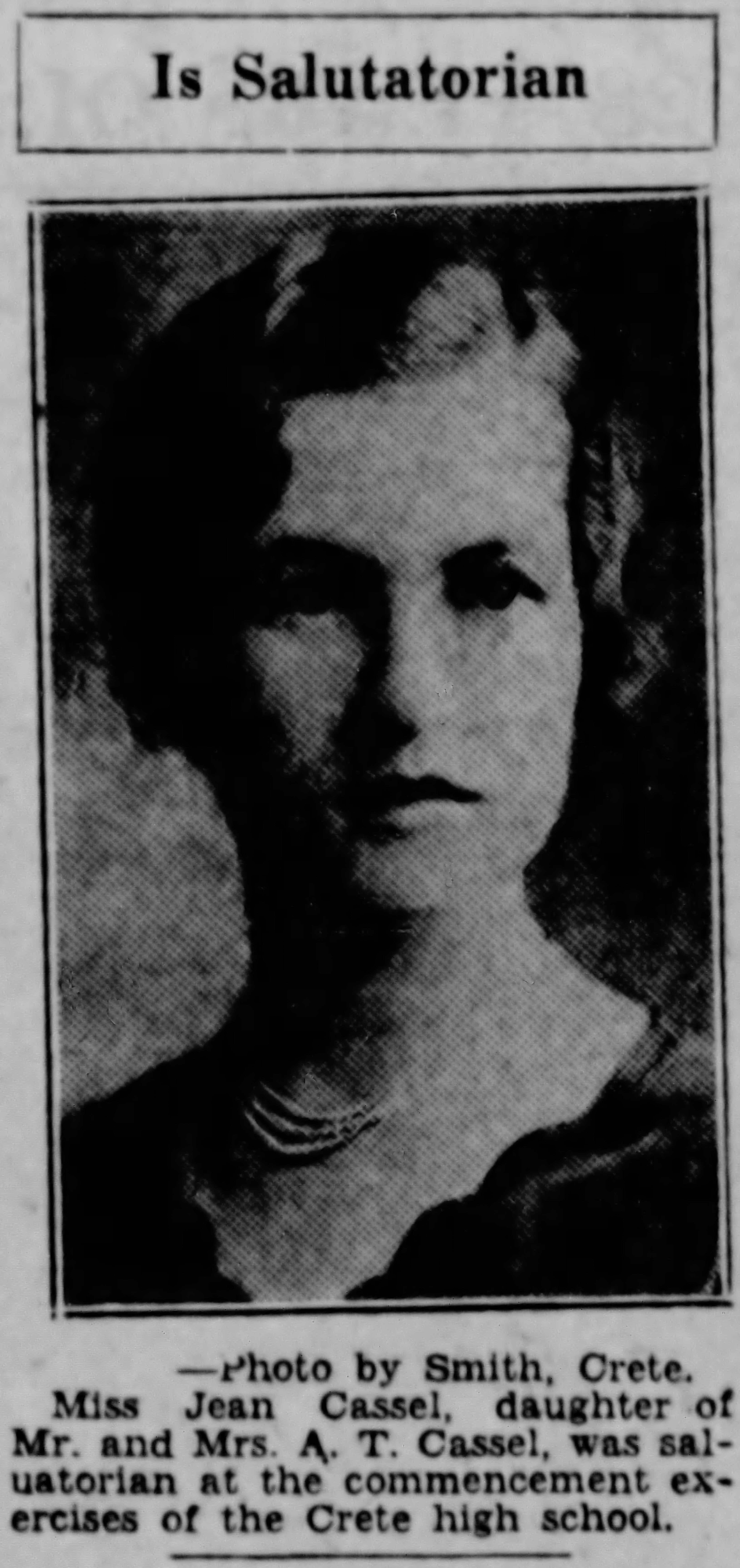
9. Cassel, Jean Richards, Music and Rare Books Librarian at the University of Texas at Austin, (AB, l935, Doane College, Crete, Nebraska). Jean was born on October 15, 1913 to Albert Thomas and Mary R. Cassel. She had a brother, Donald Edwin. She died September 4, 2001 and is buried in Lincoln, Lancaster County, Nebraska. Photo at right was from the The Lincoln Sunday Star, June 7, 1931. She won the Stevens Biology Award in 1933, while studying at Doane College. She was elected president of her senior class in 1934. She was named Doane Scholar for highest academic scholarship during her first three years at Doane. In 1938, Jean was working as a librarian/cataloger at the University of Iowa in Iowa City, Iowa.
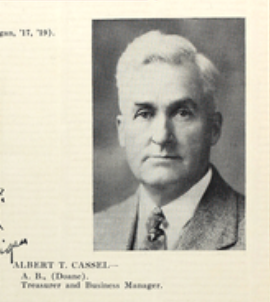
10. Cassel, Mary Alvira Richards, (born May 15, 1884–died April 16, 1976). Mary was born in Wabash, Nebraska to Edwin F. and Alvira Colbert Richards. She was married to Albert Thomas Cassel (1870–1943), shown at right. Albert was treasurer and business manager at Doane College in Crete, Nebraska. Mary was the mother of Jean R. Cassel.
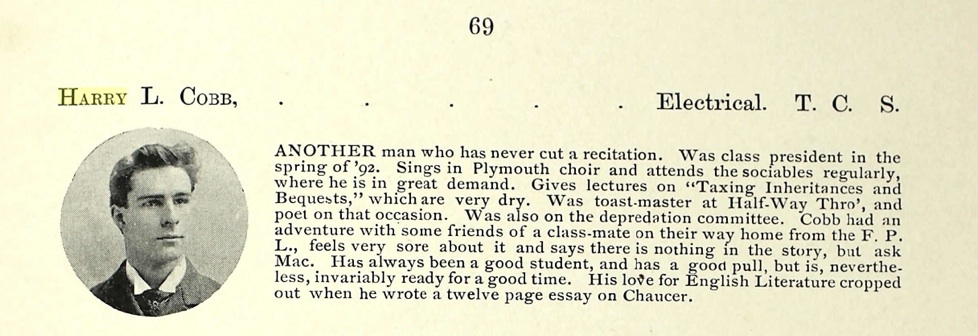
11. Cobb, Harry Lewis Church Clerk, (born July 7, 1873–died January 13, 1944). Cobb was born in Conway, Franklin County, Massachusetts to Elisha Thomas and Wealtha C. Abell Cobb. He married Jessamine Amelia Sikes (1881–1975) on July 3, 1906 in Conway MA. Their children included three sons, Franklin A. (1912–35), Harrison Sikes and Carroll. Harry Cobb graduated from Worcester Polytechnic Institute in 1894. His picture from their yearbook is shown below. He worked for General Electric in Schenectady, NY for a period. Harry Lewis Cobb was the resident engineer in charge of the Austin Dam reconstruction project from August 1911–July 1917. He lived at 1202 West 22nd Street. He does not appear in the Austin city directories after 1920. In 1918, he was the chief clerk at the Austin National Bank. His employer was Major Ira H. Evans, an active member of the church. Harry also had worked as an electrician and electrical engineer. He died in Atlanta, Georgia.
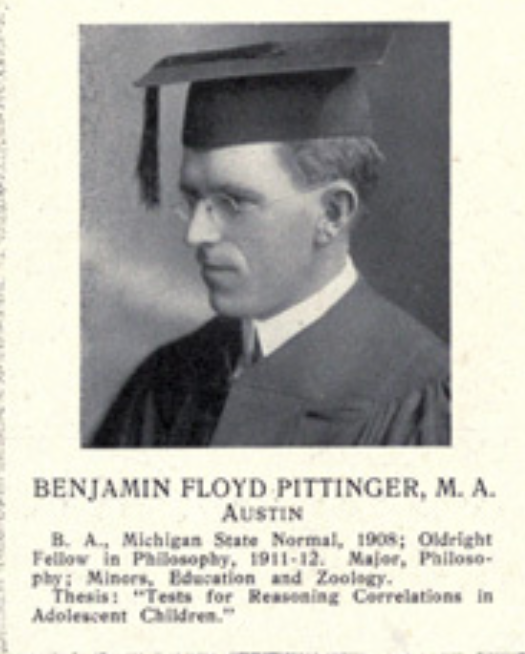
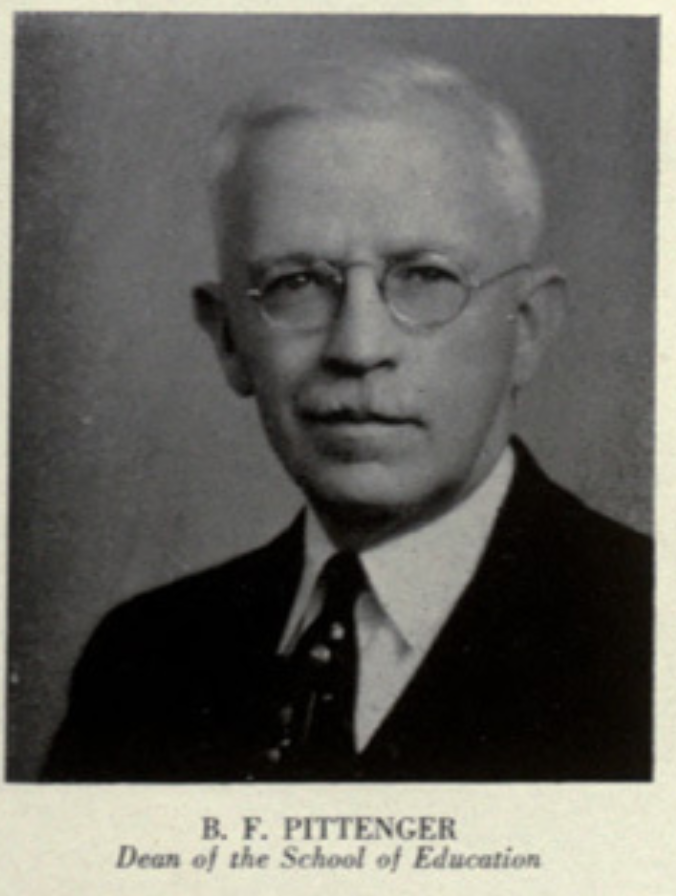 12. Pittenger, Benjamin Floyd (1883–1969), UT Dean of College of Education and Professor Educational Administration. He was born in Shelby, Michigan, AB Michigan State Normal School, MA University of Texas and PhD, 1916 from U. of Chicago. He came to UT in 1916 as an adjunct professor in 1of educational administration. After two years of military duty during World War I, he returned to Texas as professor. In 1926, he became Dean of the School of Education and in 1947 returned to full-time teacing and research until his retirement in 1957. He married Katherine Bickler in 1916. They had a daughter who later joined the UT faculty.
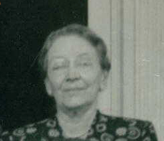
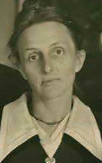 13. Bickler, Katherine Magdaleine “Katy”, (1883–1963) wife of Benjamin Floyd Pittenger, UT Professor of Educational Administration. She was the daughter of Jakob and Martha Lungkwitz Bickler and the sister of Ralph Bickler.
14. Smith, Beulah Morgan, born in Indiana 1892 and died in Austin 1983. She was daughter of Morgan Taylor and Amy Gastony Smith. She attended UT and in 1920, earned a PhD in Home Economics from U. Chicago. She was professor of institutional economics in 1923 at Margaret Morrison College (Carnegie Mellon College for Women) 1922–1924. She lived at 2814 Rio Grande St.
15. Smith, Morgan Taylor, (1857–1932), born in Richmond, Indiana. He was son of James and Beulah Morgan Smith. He was a brick manufacturer and contractor in Austin. He was President of his brick company.
He and Amy had a home at 2814 Rio Grande St. In 1900, they lived in Bastrop with sons Herschel (10), Victor (9) and daughter Beulah (8).
16. Smith, Amy Gaston, (Mrs. Morgan I. Smith), (1863–1955). Born in Riley, Ohio to Thomas A. Gaston and Arminella Hinckley. She and husband, Morgan, lived at 2814 Rio Grande St. Her daughter Beulah was informant on death certificate. Beulah said mother was widowed and suffering from senility at the time of her death.
17. Richter, Gertrude E., (Mrs. Otto Stolley), (1878–1964). Born in Burnet County, Texas to Herman and Marie Geisicke Richter.
18. Stolley, Otto (1870–1934), Rancher, investment banker. Served as Director of American National Bank in Austin. Son of Leo and Julia Schroeder Stolley. Otto died from gunshot wound to heart in Round Rock. Accident occurred while removing gun from automobile.
19. Krohn, E. J. and Mary Heinatz (1867–1955). His legacy in the 1960s provided funds for the Educational Wing.
20. Swallow, Richard and Gail, UT Architect Professor and designer of the church's Educational Wing.
21. Watson, Arthur Osborn (1864–1935), was a prominent architect and member of the church. He designed the building in 1906 that was at Ninth and Colorado. It contained the stained glass windows that are now in the church on 23rd Street.
22. Kuehne, Hugo Franz, an architect member who designed the church on 23rd Street.
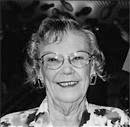 23. Towery, Eleanor Ruth Morgan. Eleanor Morgan Towery was born on April 16, 1928, in Cincinnati, Ohio. She passed away on March 23, 2014. She is survived by her loving husband, Rev. Dr. John C. Towery of 63 years; sister Betty Gentry, son Joseph Chesley Towery and wife, Maggie, daughter Sally Johnson and husband Thomas, daughter Mary Masters and husband Danny; five grandchildren, Pamela Johnson, Tanya Reynolds and husband John, Ricky Masters and wife Monica, Krystal Towery, K.C. Towery and wife Kendra; six great-grandchildren Andrew Johnson, Agnes Masters, Haley Reynolds, Clara Masters, Theodore Reynolds, Benjamin Towery, and the late Blake Johnson.
Before starting her family, she was known as the "Babe Ruth" of the Cincinnati Gas & Electric Company softball league. After hermarriage, she was a Sunday school superintendent, taught kindergarten, volunteered at Austin Parks & Recreation during the summer programs, and was a secretary at Harris Elementary School for 20 years. She was best known for how many lives she touched. Opening her home to any and everyone, all of whom she took in and showed unconditional love.
24. Deisler, Jr., Paul Frederick
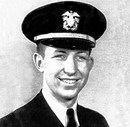 Paul Frederick Deisler, Jr., son of Paul Frederick Deisler and Jeanie Monroe Deisler, was born in El Paso, Texas on January 20, 1926. He passed away on August 5, 2015 in Corpus Christi, Texas, and his ashes will be buried at the National Cemetery adjacent to Ft. Sam Houston in San Antonio, Texas with those of his wife of 61 years, Ellen B. Deisler, who predeceased him in 2011. He leaves his elder daughter, Jane Ellen Deisler-Seno of Corpus Christi Texas (widow of Shigemi Glenn Seno) and Jane's two children, Ellen T. Seno and Thomas S. B. Seno; his son, Paul Conrad Deisler of Austin, Texas, Conrad's wife, Julienne Lemond, and Conrad's three children (by his former wife, Julia K. Deisler of Austin, Texas), Ava Jean Deisler, Olivia Muriel Deisler, and Paul Eric Deisler; and his younger daughter, Julia Monroe Deisler of Santa Fe, New Mexico.
Paul grew up in Texas, New Jersey and, for eight years, in Chile, returning to El Paso from Chile at age 15. Upon graduating in 1942 from El Paso High he entered Texas A&M (Class of '46) and graduated in Chemical Engineering in 1948 having spent an intermediate two years in the U. S. Navy during WWII serving at sea in the Pacific aboard the USS EPCE(R) 855. He remained in the U.S. Naval Reserve for a total of 25 years, retiring with the rank of Commander.
He met his wife in Waynesboro, Virginia while working summers at the DuPont laboratory where she was a research engineer. At the time, he was studying for his MS (1949) and PhD (1952) in Chemical Engineering at Princeton University. Paul and Ellen were married on June 15, 1950 at her parents' home in Denver, Colorado.
Upon receiving his PhD, Paul began a 34-year career with Shell, starting in research and moving through many posts of different types and levels in various locations in the U.S. His Shell career also included two years as Director of Supply and Refining for Compañía Shell de Venezuela in Caracas. He retired from Shell in 1986. His final position was that of Vice President for Health, Safety and Environment for Shell Oil Company in Houston, Texas. During all their many moves, he had the staunch, loving support and inspiration of his wife, Ellen, to whom he was always deeply and lovingly grateful. Paul led an active retirement as a member of several technical and scientific boards, including the Executive Committee of the Science Advisory Board of the U.S. Environmental Protection Agency in Washington, D.C. He also taught at the University of Houston as a visiting professor and engaged in other professional activities. He and his wife enjoyed travel to other countries, including two visits to Chile and one to Venezuela. Paul belonged to several scientific and professional societies, those closest to his original discipline being The American Institute of Chemical Engineers and The American Chemical Society. He was also a member of three honorary scientific, technical and scholarly societies, Sigma Xi, Tau Beta Pi and Phi Kappa Phi.
As a representative of his company, Paul worked with the American Petroleum Institute as well as other trade associations and was one of the founding directors of the Chemical Industry Institute of Toxicology (now The Hamner Institutes for Health Sciences), whose laboratory is in Research Triangle Park, North Carolina. Also as a representative of his company, he was one of the founding directors of the American Industrial Health Council (now disbanded, its work completed). In the early 1980s, Paul worked with others to strengthen a new society, the Society for Risk Analysis, serving in different capacities including that of the Society's president and, later, as one of the area editors of its journal. He also became a Fellow of the Society. He served for many years on the boards of two organizations at Texas A&M University, the Texas A&M Research Foundation and the Texas Institute for Advancement of Chemical Technology, Inc. In gratitude to Texas A&M University for its very positive influence on his life, Paul and his wife established the Paul and Ellen Deisler Graduate Fellowship in Chemical Engineering at Texas A&M University. Subsequently, Paul also established fellowships at both Princeton University, and at the University of Colorado at Boulder, the second in the name of his wife, a Chemical Engineering graduate of that school.
During his lifetime, Paul published scientific articles on a variety of subjects, the most numerous being in the area of cancer risks in the work place, and he edited a book on the last topic. His last article was published in 2011 although he considered himself as "retired" from professional work in 2005 with the publication of two histories, with two other authors, of the founding and subsequent development of the Society for Risk Analysis. He also wrote several non-scientific books, including "Encountering Aggieland in 1942," and he leaves several works to be finished by his children. In his last years, he continued to enjoy reading about scientific progress, lecturing on the origin of the multiverse, writing the occasional letter to an editor to build his reputation as a "grumpy old man," improving his knowledge of Spanish and French and traveling with his eldest daughter. He also devoted himself to ensuring that his beloved wife received the best care and comfort possible in her nursing home until her death.
Those wishing to memorialize Paul may send memorial gifts to a charity of their choice., to the Congregational Church of Austin (UCC), 408 W. 23rd St., Austin, Texas, 78705, to the Unitarian Universalist Church of Corpus Christi, 6901 Holly Rd. Corpus Christi, Texas 78414, to the Artie McFerrin Department of Chemical Engineering at Texas A & M University, Jack E. Brown Engineering Bldg., Room 200, 3122 TAMU, College Station, TX 77843-3122 or to the Department of Chemical and Biological Engineering, Room A217 Engineering Quad, Princeton University, Princeton, NJ 08544.
25. Ellen Bardwell Deisler
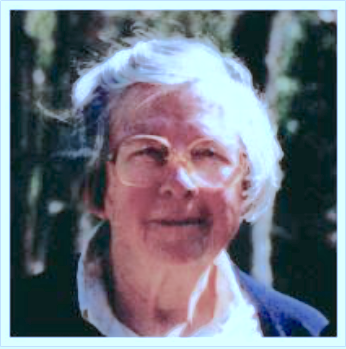 Ellen Bardwell Deisler, born Ellen Louise Bardwell, in Waco, Texas on September 21, 1924, daughter of Conrad Morton Bardwell and Mary Muriel (Hill) Bardwell passed away peacefully after a long illness on September 11, 2011 in Corpus Christi, Texas. Her two brothers, Conrad M. Bardwell and Robin O. Bardwell predeceased her.
Of her immediate family she leaves her husband, Paul F. Deisler, Jr., her elder daughter, Jane Ellen Deisler-Seno (widow of Shigemi Glenn Seno) of Corpus Christi, Texas and Jane’s two children, Ellen Toshiko Seno and Thomas Shigeo Benjamin Seno; her son, Paul Conrad Deisler of Austin, Texas, Conrad’s wife, Julienne Lemond, and Conrad’s three children (by his former wife, Julia K. Deisler of Austin, Texas), Ava Jean Deisler, Olivia Muriel Deisler, and Paul Eric Deisler; and her younger daughter, Julia Monroe Deisler of Santa Fe, New Mexico.
Ellen grew up partly in Waco, Texas, partly in Dallas, Texas partly in Kirkwood, Missouri and mostly in Denver, Colorado where she graduated from East High School in 1941. She attended the University of Colorado in Boulder graduating in 1945 with a degree in Chemical Engineering, a very unusual degree for women to earn at that time. She also became a life-long member of Delta Gamma Sorority while at the University of Colorado and was a member of the American Association of University Women for most of her adult life.
After her university graduation, she went to work in research at the Waynesboro, Virginia laboratory of E. I. Dupont de Nemours and Company where she was the only female chemical engineering graduate at the time. She earned a bonus for her research on the filtration of acetate rayon spinning solutions. She also met Paul Deisler, a graduate student in chemical engineering at Princeton University and a summer worker at the laboratory. On June 15, 1950, Ellen and Paul were married, forming a firm and loving union.
Ellen was a true western girl of independent mind and character, ready for challenges. She was what she presented herself to be, disdaining any form of dissimulation including makeup. She was highly capable, practical, and creative, a voracious reader who also loved the outdoors: golfing, skiing, hiking and swimming with a lifelong love, as did her Bardwell family, of listening to baseball and football on the radio, and later on television. Starting in her teens, she made her own clothes and, throughout her life, she loved visual art in all its forms, practicing all but sculpture. She has left a legacy of oils, watercolors, silk screenings, wood prints, line drawings and art in other media for her family to enjoy. She loved art for its own sake and to express herself, rarely showing her work and disliking selling it because, then, she would never see it again. She was also a very, very, loving wife and mother.
Once married, Ellen left her position at DuPont and what could have been a brilliant, professional career came to an end. Taking a job with the Princeton, New Jersey School District she became a dedicated, hardworking and supportive wife as her husband completed his graduate work. Her husband accepted an offer from Shell Oil Company, for whom he worked until his retirement in 1986. Ellen raised a family while establishing and maintaining numerous homes for all her family as Paul was transferred repeatedly across the United States and, at one point to Caracas, Venezuela. She coped with all the difficult details of each move, acting as the family’s supervisor in the design and building of five houses during Paul’s career. She developed numerous friends during her many years of marriage and residence in diverse places and was active in her and Paul’s various churches.
Ellen resided in Houston, Texas with her husband after his retirement, moving to Austin, Texas in 1993 after their first grandchild, Ava, was born there. There, they built their final house, jointly. In 2006, Ellen and Paul sold their home and moved into a retirement community in Austin. Finally, they moved to Corpus Christi, Texas, where their daughter, Jane, lived with her family and where there is a retirement community that offered several levels of living, from independent living through long-term nursing.
Throughout her life, Ellen pursued her long-term love of art until her final illness made further pursuit impossible. Upon her death, her remains were cremated, according to her wish.
Her ashes, were interred in the National Cemetery adjacent to Ft. Sam Houston in San Antonio, Texas, where they await Paul’s ashes. After a long, beautiful and adventurous life, Ellen is at peace.
Those wishing to memorialize Ellen may send memorial gifts to a charity of their choice, to the Congregational Church of Austin (UCC), 408 W. 23rd St., Austin, Texas, 78705 or to the University of Colorado Foundation, 4740 Walnut Street, Boulder, CO 80301 (dedicating the gift of the Department of Chemical Engineering at the University of Colorado).
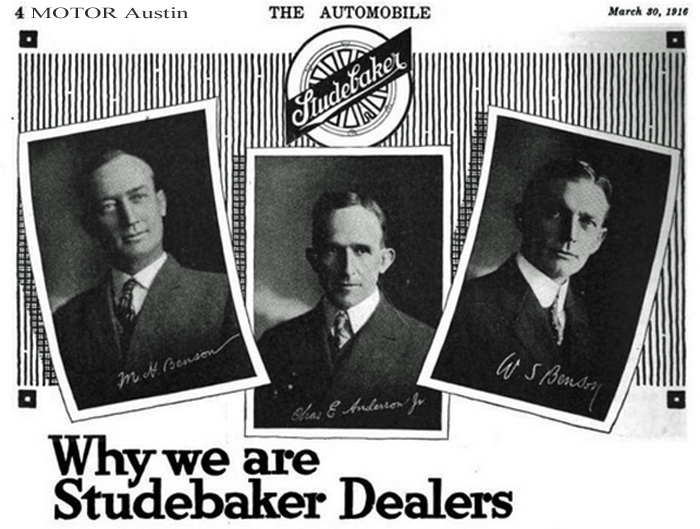 26. Walter Scott and Florence "Frances" Brownlee Benson, Sr. Walter owned a Studebaker dealership in Austin with his brother, M. H. Benson and Chas E. Anderson, Jr. The Benson Motor Company also sold Cadillac and Oakland automobiles.
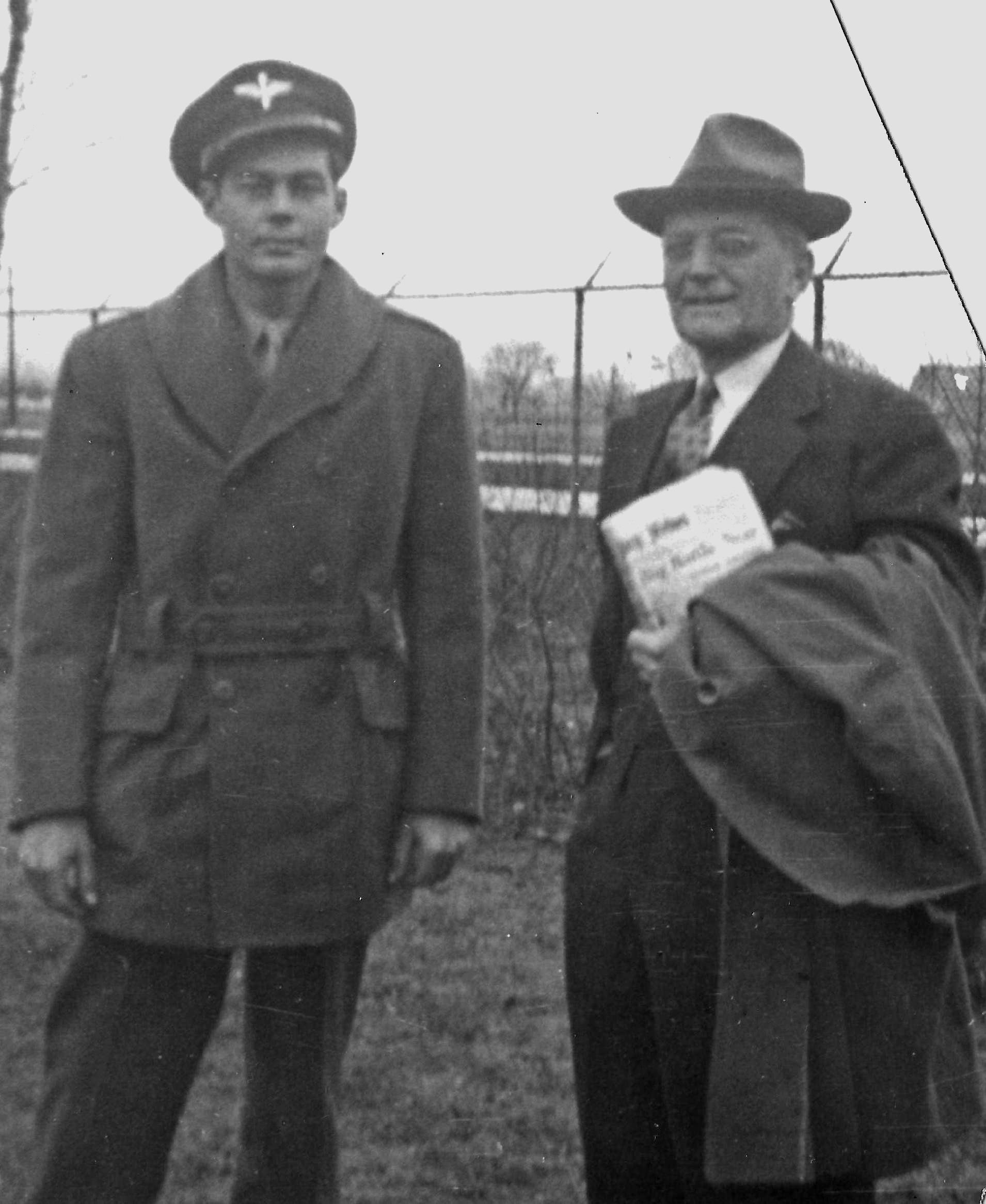
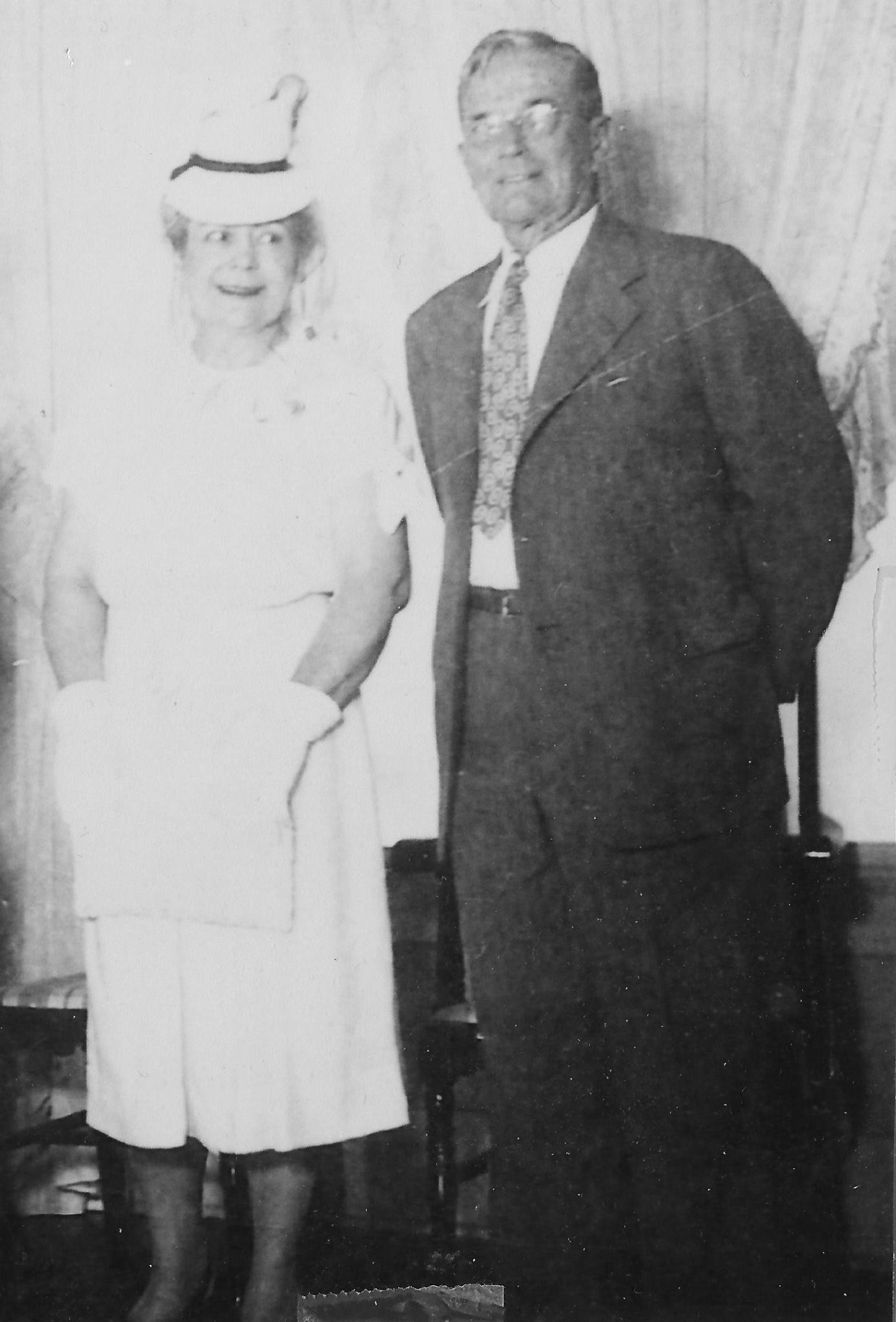
He later was associated with D. C. Heath Publishing Co and then had his own publishing company. His son, Walter Jr. became a celebrated Austin amateur golfer. Walter and Florence were later members of St. David's Episcopal Church. (Thanks to their grandaughter Barbara Benson Padgett for the photo of her father and grandfather.)
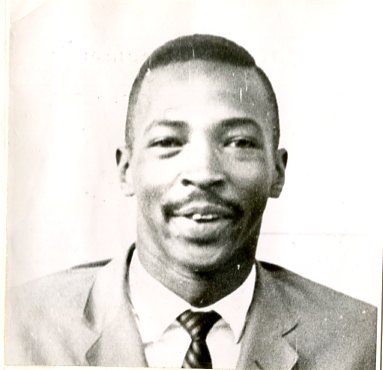 27. Robert E. Jones often attended the Congregational Church of Austin while a student at Huston-Tillotson University. He was a great friend of John and Eleanor Towery and work hard to promote contact between the church and Huston-Tillitson students. John Towery had attended the Yale seminary and hoped that Robert would do likewise—he did. John's faith in this industrious, talented, bright and committed young man was confirmed by Robert's very successful career.
- Senior Pastor at College Hill Community Church, Presbyterian, USA, in Dayton Ohio
- Former Faculty Member at United Theological Seminary
-
Former Assistant Professor of Practical Theology at Yale University
-
Studied a Yale University
-
Studied at United Theological Seminary in New Haven, CO
-
Studied Sociology at Huston-Tillotson University in Austin, Texas
- Married Karen
-
Went to B. F. Person High School in Franklinton, North Carolina
- Born February 11, 1942 in Franklinton, NC. Had sister, Dorothy Jones (Stanberry)(1935-2015)
While at Yale, Robert wrote a letter to John and Eleanor. Several quotes from that 1967 letter attest to the motivation and capacity for hard work of this young man.
"No, I am still alive! It's now about 11:00 p.m. and I have just now returned from a field work program I have set up with 2 groups of teenage girls. I am going night and day. The thing that keeps me going is the fact that I can not stop! Well, so much for that.
"How is the family, I wish it was so I could see you. I got the Christmas card and boy have the children grown. would you thank everyone who sent me Christmas cards? I don't have much time for myself these days; my schedule goes something like this: I work for money in the school library from 6:30—8:00 a.m. with classes during the day. On Monday I have a group of court referral boys to work with, Thursdays a parents group meets, on Wednesday (tonight) a group of teenage girls. On Tuesday evenings, I meet with a group of teenage boys for basketball practice and on Friday evenings, a teenage rock N’ roll lounge is on the agenda. On Saturday mornings, it's children's recreation activities from 9:30 to noon, boys' basketball games in the evening. Sunday morning a men's study group and, in the afternoon, a community Sunday school from 2:30 to 4:00 p.m.'
"Next week, a project the parents and I have been working on for many months will go into operation. This will be a social welfere project."
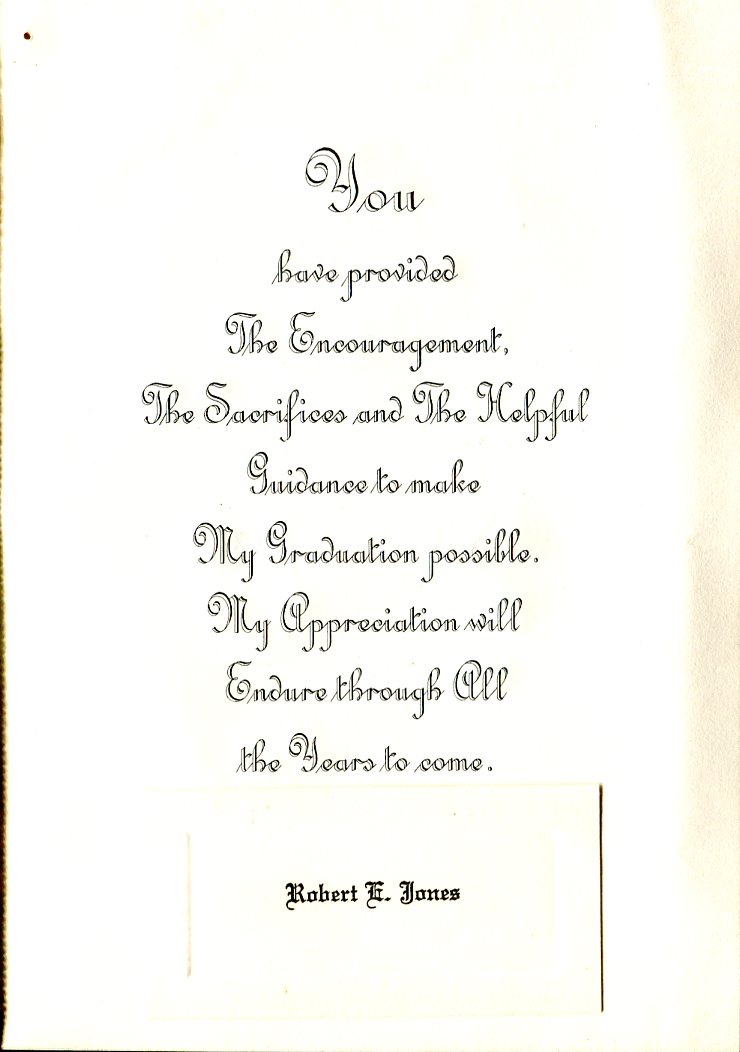
On the occasion of his graduation from seminary, Robert sent John and Eleanor the card below:

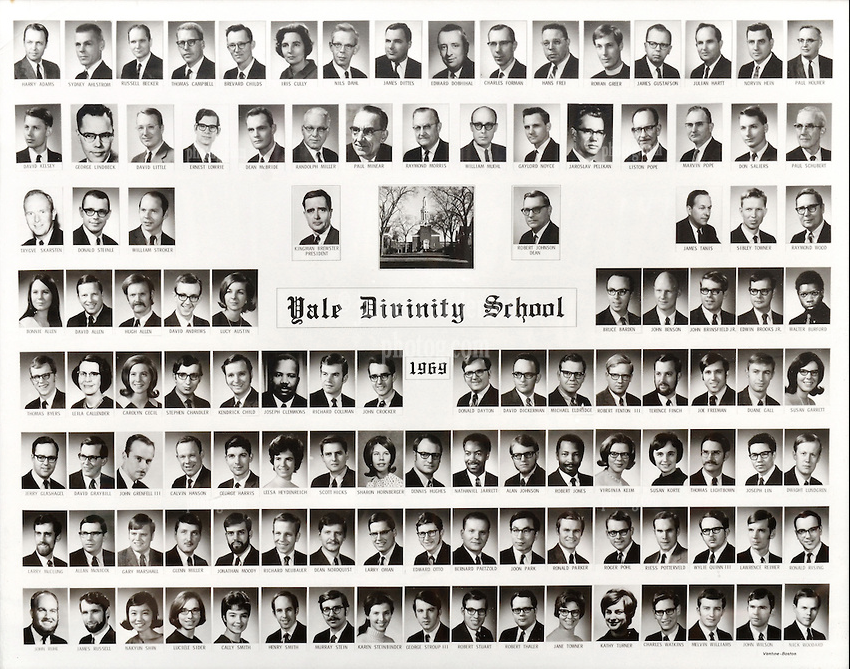
In the photo above of the Yale Divinity School Class of 1969, Robert E. Jones is in third row up, sixth from right end.
An article appeared in the Dayton Daily News announcing the Reverend Robert E. Jones' retirement from the College Hill Community Church in Dayton, Ohio. It is below.
Retiring pastor has been a community advocate
By Pamela Dillon - Contributing Writer
Posted: 12:00 a.m. Friday, March 07, 2014
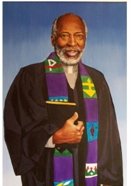 There is a large red banner in the second floor conference room of the College Hill Community Church on Philadelphia Drive in Dayton. The first part reads, “We as an inclusive church, accept our covenant with God to share the ‘good news’ of God’s love and redemption through the gift of Jesus Christ.”
The Rev. Robert E. Jones has been the leader of that church for the past 37 years. From the very beginning, inclusivity has been his main focus. The church is having a retirement celebration for Jones on March 28 at the Crowne Plaza Hotel in downtown Dayton. James Forbes Jr., the first African-American to serve as senior minister of the Riverside Church in New York City, will be speaking at that celebration. Forbes is widely known in international religious circles as “the preacher’s preacher.”
“The Rev. Dr. Forbes has been a mentor to me. He helped me work on my doctorate when I was attending United Theological Seminary,” said the Rev. Jones. “He included people from all over the world. Because of his inclusiveness, I thought it was appropriate to invite him to this celebration.”
When Jones arrived in that area of Dayton almost four decades ago, the College Hill community was changing from Euro-American to African-American.
“The church made the decision to stay. We began to gather an inclusive congregation, and equality was a major concern,” said the Rev. Jones. “The church struggled with the challenge of including foreigners and strangers who were different. But ultimately, the congregation was willing to accept being inclusive.”
Ironically, since College Hill Community Church is Presbyterian, the ruling Presbytery had to bend the rules somewhat to allow Rev. Jones in as lead pastor.
“My upbringing was in the United Church of Christ. Traditionally, pastors have to give up the denomination that they were part of before. I wanted to hold on to my UCC status, and after a lot of discussions they agreed,” said the Rev. Jones. “Now it seems to be normal within the Presbytery, and we call it full communion.”
It appears that the Presbytery made a good decision to be inclusive regarding Jones; many ruling members of the church had positive thoughts about the Rev. Jones.
“He’s a people person. He manages to make sure he makes connections with people one on one. He leads by example,” said Jefferson Township resident Rosalyn Givens, a 10-year church member who is clerk of session, and has served as both a deacon and elder.
One of those ruling members has known the Rev. Jones for a long time. Carolyn Peters has been a member of the church for the past 32 years.
“He’s done a fabulous job and has worked to make this church purposefully pluralistic,” said Peters, who has been a deacon, a ruling elder, and is now a spiritual counselor for the church. “He’s a great pastor, and he’s paved the way for someone else to step in and take over.”
The final part of the banner in the conference room reads, “We accept the responsibility to build a strong supportive community by nurturing one another in Christian love, as we share our unique cultural gifts.”
The church has followed that philosophy for the local community, and another one that isn’t nearby.
The church assisted David’s United Church of Christ with the startup of Habitat for Humanity in the Dayton area. They helped build the first home just a few blocks away from College Hill Community Church. In the 1980s, the church funded and built a small children’s hospital in Ghana, Africa.
“Pastor Jones is very easy-going, open and inviting. He wants to be there for everyone and wears a lot of different hats, but he makes it work,” said Terre Myrick, church secretary/administrator, who has worked for Jones over the past six years. “He’s been very instrumental in the community, as a member of many boards and committees.”
The Rev. organized the Interfaith Ministers for Reconciliation, served on the Dayton Human Relations Council, United Way Public Policy Committee, the Dayton Dialogue on Race Relations, and the Montgomery County Homeless Solutions Board. He founded the Dayton Urban Ministry Center just a few blocks from the church.
“We rented an apartment through donations from our congregation for after-school programs and adult programs,” said the Rev. Jones.
After retiring from College Hill, Jones is planning on working as an interim pastor.
“Pastor Jones is a creator of leaders. He knows the capabilities and willingness of his members. He follows through and supports his leaders,” said Givens. “The church is positive and forward thinking. Even though he’s retiring, he’s left genuine concerns behind that the church leaders will continue to work on.”
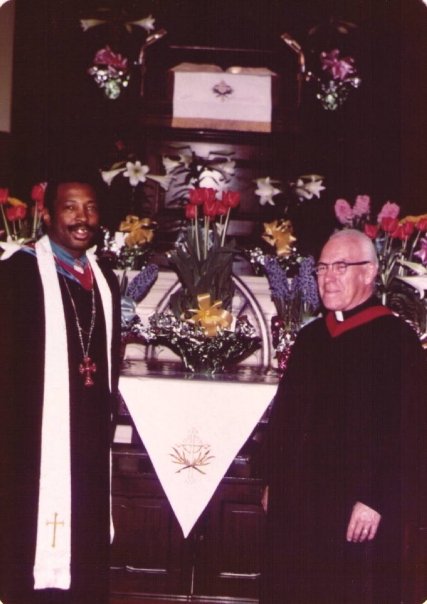
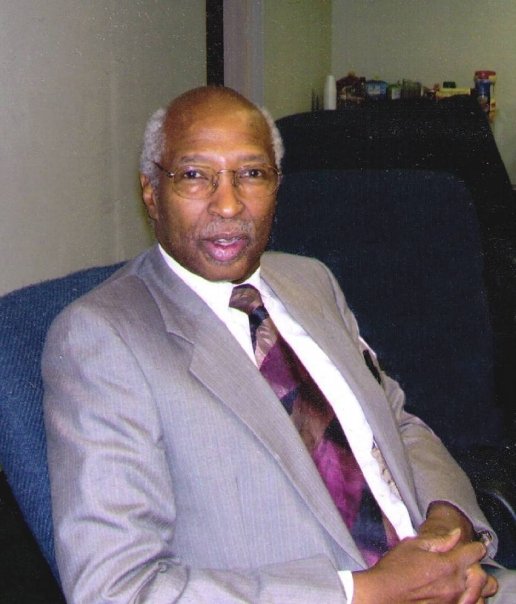
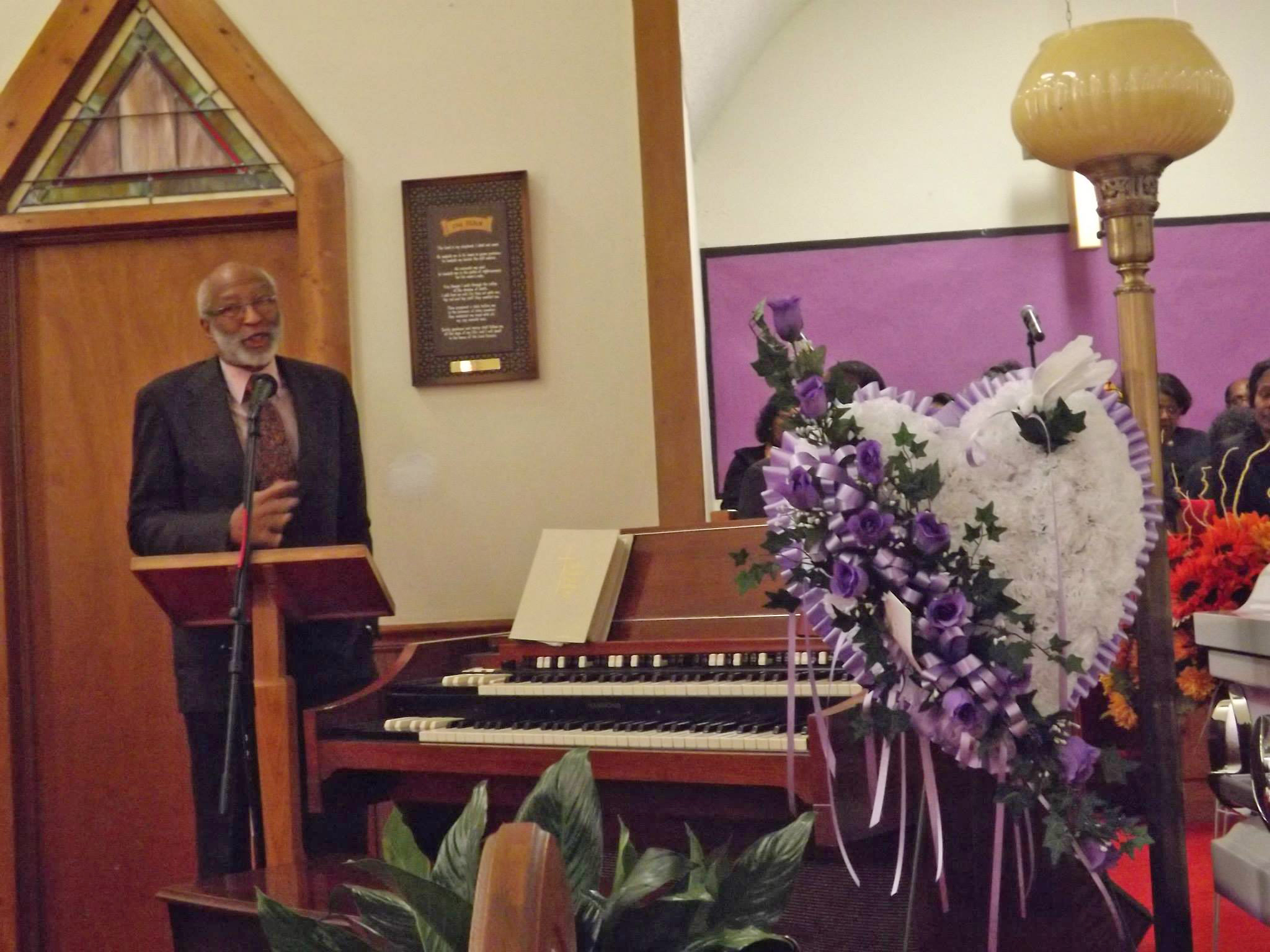
Photo above right, Rev. Robert E. Jones at funeral of his sister, Dorothy Jones Stanberry, Franklinton, NC.
28. Chester and Dorothy Lay.
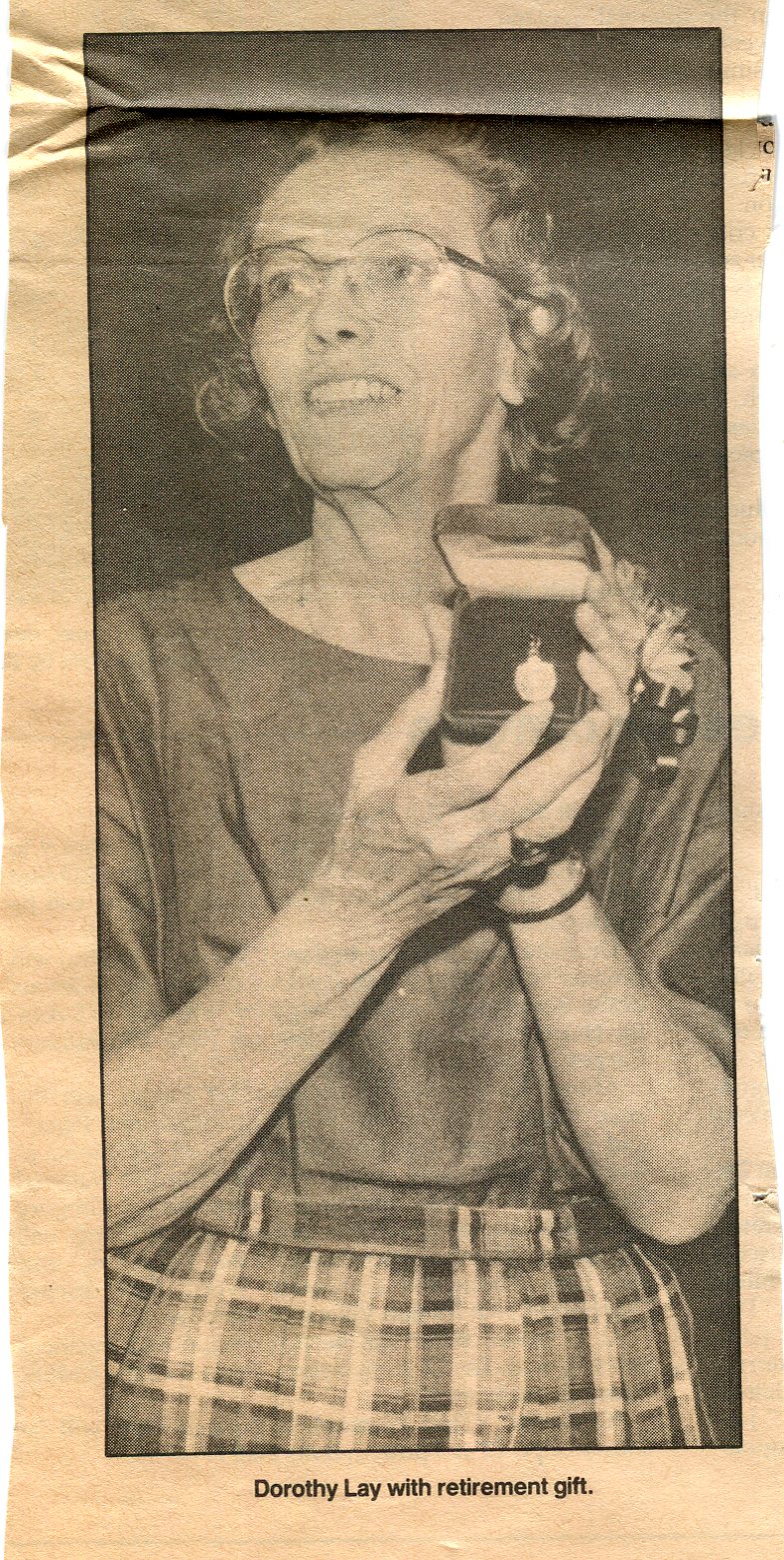 Dorothy Lay, called "an expert and a pro,' retires
WHEN HER COLLEAGUES speak of Dorothy Lay, you hear such descriptions as "an expert and a pro,” ”stalwart” and "cannot be intimidated."
Mrs. Lay, who was associate registrar at the University, retired Aug. 31 as head of Official Publications after serving more than 30 years at UT Austin.
Albert Meerzo, University registrar, said he "could not throw enough superlatives around her neck," as Mrs. Lay has served as resource person for many people on campus with questions about policy.
The Official Publications Office produces college catalogues, the course schedule and the final exam schedule, in addition to assigning classrooms on campus.
Mr. Meerzo said the office handles addenda to the course schedules as well, noting there may be 7,000 changes in buildings, rooms and class times each year after the course schedules are printed.
Tom Belinoski, assistant registrar in the publications office, called Mrs. Lay "really classy" and the driving force that has made the office respected and efficient. He said when he began working for Mrs. Lay as a clerk-typist she treated him and everyone else who worked for her with a great deal of respect.
”Being treated well is an incentive to work hard and it makes you feel good, so your self-respect grows,‘ Mr. Belinoski said.
Mrs. Lay said she first came to UT Austin as a student in 1941. During her student days she worked on campus in Classical Languages and in the English Department. After receiving a bachelor's degree in English she became a tutor, much like the teaching assistants of today.
She recalled meeting with Dr. Harry Ransom, who served as a director of the tutors. He told the young graduates that "we were so lucky to be teaching at UT" that rather than receive payment to teach, the tutors should be paying for the privilege»
While working on a master's degree, Mrs. Lay began editing publications on a contract basis for the Registrar's Office. In 1950, she filled a position temporarily and moved to full time in 1951.
Among the changes she has seen in the Registrar's Office has been the doubling of the staff in Official Publications. She said there were five staff members when she began, and now there are 11. ”Of course, the University has doubled its enrollment in those years, and the amount of work we do has increased,” she added.
One duty Mrs. Lay said she was pleased to give up was issuing keys to faculty members. The task was given to her because the Registrar's Office was once responsible for numbering the rooms in buildings on campus. ”The way we do things has changed," she noted. ”They have become more automated, but the duties really have not changed."
She described working at the University as one of the ”greatest things that ever happened to me,” saying she would not wish to change places with anyone.
Although she has not dealt directly with students, Mrs. Lay said she has been able to "see much of the University in editing catalogues." She said she is proud of the institution for "trying harder than before to assist students in making their college education possible," noting the growth in student services over the years.
However, Mrs. Lay said she did have one regret: ”If I had it all to do over again, I would stick in graduate school and have a PhD." She said she wished she had taken advantage of what is ”here for the taking," but one semester seemed to melt into another. — KATHY GLOVER in On Campus, September 1984.
29. Herman Douglas Rotsch (1864-1955)
30. Major Ira Evans, (April 11, 1844 – April 19, 1922) was an officer in the Union Army during the American Civil War and received the Medal of Honor. He was also a prominent Texas businessman and philanthropist.

Early life Evans was born in Piermont, New Hampshire on April 11, 1844. After the death of his father, his mother moved to Barre, Vermont, and he completed his education at Barre Academy.
Civil War military service In July, 1862 he enlisted for the Civil War as a Private in Company B, 10th Vermont Volunteer Infantry Regiment. In December, 1863 he was commissioned as a First Lieutenant in the 9th U.S. Colored Troops. In January, 1865 he was promoted to Captain in the 116th U.S. Colored Troops. In March, 1865 he was promoted to brevet Major "for gallant conduct and meritorious services" and assigned as assistant Adjutant of the XXV Army Corps, Army of the James. Medal of Honor action.
General William Birney, as quoted in 1897’s “The Story of American Heroism” compiled by J.W. Jones: "In the early days of April, 1865, when General Grant was moving on Petersburg, my division (the Second of the 25th Corps) held a portion of the Union line near Hatcher's Run. The main body was sheltered by a low ridge from the enemy's fire, but the rifle pits in which the pickets were posted and the open space between the pits and the ridge, was swept by the Confederate cannon and musketry. Confederate deserters were numerous, most of them reaching the rifle pits late at night or about daybreak, where, for their safety, they were detained until nightfall. An afternoon assault on the Confederate works being intended, it was very important to learn what changes had been made in them. I was directed from headquarters to have the newly arrived deserters interviewed. Being unwilling to order any member on my staff on so dangerous a duty, I called for a volunteer. Captain Evans was the only one who responded. Dismounting he passed rapidly over the ridge in front of the division, being at that time the only Union soldier in view from the Confederate line. The enemy opened a sharp fire of musketry upon him, and continued it until he disappeared in one of our rifle pits. Having questioned the deserters and obtained the desired information, he returned through another shower of bullets and reported to me. It was a gallant feat."
Post-Civil War military service On April 17, 1865 Evans was one of the officers in the honor guard of President Abraham Lincoln's funeral cortège. He remained on active duty after the war, serving in Brownsville, Texas as a member General Philip H. Sheridan's occupation force. In September, 1866 he was transferred to New Orleans. In February, 1867 he was discharged in Louisville, Kentucky. Reconstruction in Texas. Deciding to take part in the Reconstruction of Texas, he started a ranch near Corpus Christi, but lost his investment through the dishonesty of his partner. Evans then joined the Freedmen's Bureau but quickly resigned out of anger with his superiors, whom he deemed incompetent. He then joined the Internal Revenue Service, first in Eagle Pass and then in Corpus Christi. Member of the Texas House of Representatives. At the urging of Republican gubernatorial candidate Edmund Jackson Davis, in 1869, Evans ran for and won a seat in the Texas House of Representatives. In 1870, he was elected Speaker of the House (at age 26, he was the youngest person ever to hold that post). Evans was removed from office when Democrats returned to power at the end of Texas Reconstruction in 1871.
Business career Unlike most Republicans who were active in post-Civil War Reconstruction, after leaving politics Evans did not return to the northern states, instead settling in Austin and beginning a business career. He became General Manager of Houston's Texas Land Company in 1872, and Secretary of the Houston and Great Northern Railroad Company in 1873. After the H. & G. N. merged with the International Railroad in 1874, Evans was elected Secretary of the International-Great Northern Railroad, and served as a member of the Board of Directors from 1875 to 1908. From 1880 to 1906, he was President of the New York and Texas Land Company. Evans was a founder of the Austin National Bank and served on the Board of Directors from 1890 until his death. In 1897 he was appointed Receiver of the Austin Rapid Transit Railway Company, a post he held until 1902. From 1902 to 1903, he was President of the Austin Electric Railway Company. He was also a founder and President of the Texas Life Insurance Company. Philanthropy, religious activity and civic involvement Evans maintained a lifelong interest in the cause of educating African-Americans, including serving on the Board of Trustees of Austin's Tillotson College (now Huston-Tillotson University) from 1881 to 1920, and President of the board from 1909 to 1920. Evans also donated the funds to construct a residence for the President of the college, and the funds to create a program to train construction workers. The college's Evans Industrial Building, constructed in 1912 and refurbished in 1984, was named for him and has been designated a Texas Historical Site. Evans was active in both the Congregational and Presbyterian churches and served as President of the American Home Missionary Society. He was a member of the Board of Trustees of the First Presbyterian Church in Austin and President of the Board of Trustees of Austin's First Congregational Church of Austin for five years. He was also involved in several civic causes.
His Austin home was the meeting place for the Texas State Historical Association. He was a member of the Society of Colonial Wars and the Military Order of the Loyal Legion of the United States. In 1896, Evans became a member of the Vermont Society of the Sons of the American Revolution (SAR) and was the founder and first President of the Texas Society of the SAR. He was assigned national member number 2751 and Vermont Society number 51. Evans' home the North-Evans Chateau, is now the location of the Austin Woman's Club and is an Austin Historic Landmark.
Personal life Ira Evans was married twice. In July, 1871, he married Frances A. Hurlbut of Upper Alton, Illinois, with whom he had three sons, William Leslie Evans, Francis Hurlbut Evans, and Hobart Yale Evans. After their 1917 divorce, in 1920 he married Jessie M. Stewart. He was the cousin of Texas businessman Timothy Dwight Hobart. The Ira Hobart Evans Papers are part of the University of Tulsa's McFarlin Library.
Retirement and death Evans retired to San Diego, California, in 1921 and died there on April 19, 1922. He was buried in Berlin Corners Cemetery, Berlin, Vermont. Medal of Honor citation[edit] Citation: For extraordinary heroism on 2 April 1865, while serving with Company B, 116th Colored Infantry, in action at Hatcher's Run, Virginia. Captain Evans voluntarily passed between the lines, under a heavy fire from the enemy, and obtained important information.In 1892, Major Ira Evans bought Bellevue Place (now the Austin Women's Club) and turned the home into a showplace, with the help once again of Alfred Giles. Ira Evans served as the youngest speaker of the Texas House of Representatives. He was a leader in trying to secure education for newly freed slaves in Texas and helped to establish and fund the new Tillotson College, later to become Huston-Tillotson College. He served as chairman of the Board for the newly formed Austin National Bank and his beautiful home was the founding location for many social and civic groups, most notably the Texas Historical Commission.
Most of the this informaation came from Wikipedia.
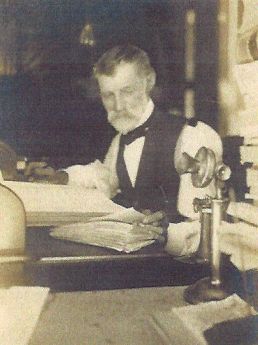 31. Meta Huppertz According to early 1900s Census records the Huppertz family immigrated to Texas from Germany in approximately 1858. Brothers Charles (at right) and Edward Huppertz both lived in Austin for the majority of their lives. Census records list Charles' estimated birth year as 1843. He married Emmie Bertram and they had three children: Meta, Josephine "Josie" and Willie. Census records list Edward's estimated birth year as 1850. He married Lina (Lena) Schenck in 1876 and they had four children: Carrie, Ernest, Maude and Gretchen. Other siblings of Charles and Edward resided in San Antonio.
Charles started out in the grocery business on Lavaca Street. In 1907 he took over the job as Travis County Auditor and remained in this position until his death in 1921 at age 79. Emmie Bertram's family was also in the grocery business and the large 14-room house in East Austin (now Rosewood Park) where Charles and Emmie and their children resided belonged to the Bertram family. Willie Helen Huppertz was born on July 4, 1894. She followed her father's footsteps starting as a temporary summer helper at his office in 1915 and she remained employed by the county for 48 years. She retired in 1963 as assistant auditor of Travis County.
Meta was assistant auditor for the Texas Deapartment of Education. Meta never married. Her sister, Josie, also a member of the church, married William A. Trenckmann (1890 - 1964). Josie was a school teacher in Austin.
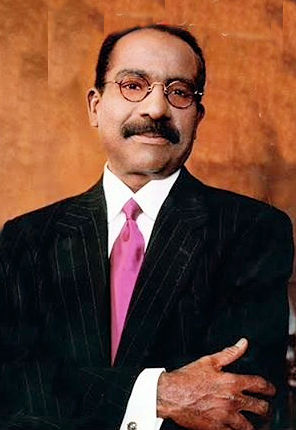 32. Dr. Joseph Turner McMillan, Jr. Joe was an active member of the Congregational Church of Austin during and after his tenure as President of Huston-Tillotson College. He served the church in many capacities.
.jpg) 32. Dr. James Croswell and Evangeline Pearl Beougher Perkins. James was an active member of the Congregational Church of Austin during and after his tenure as religion professor at Huston-Tillotson College. He served as pastor of Congregational Church in Groveand, MA from 1942–1944.
32. Dr. James Croswell and Evangeline Pearl Beougher Perkins. James was an active member of the Congregational Church of Austin during and after his tenure as religion professor at Huston-Tillotson College. He served as pastor of Congregational Church in Groveand, MA from 1942–1944.